Overview of Livestock Monitoring Using LoRaWAN
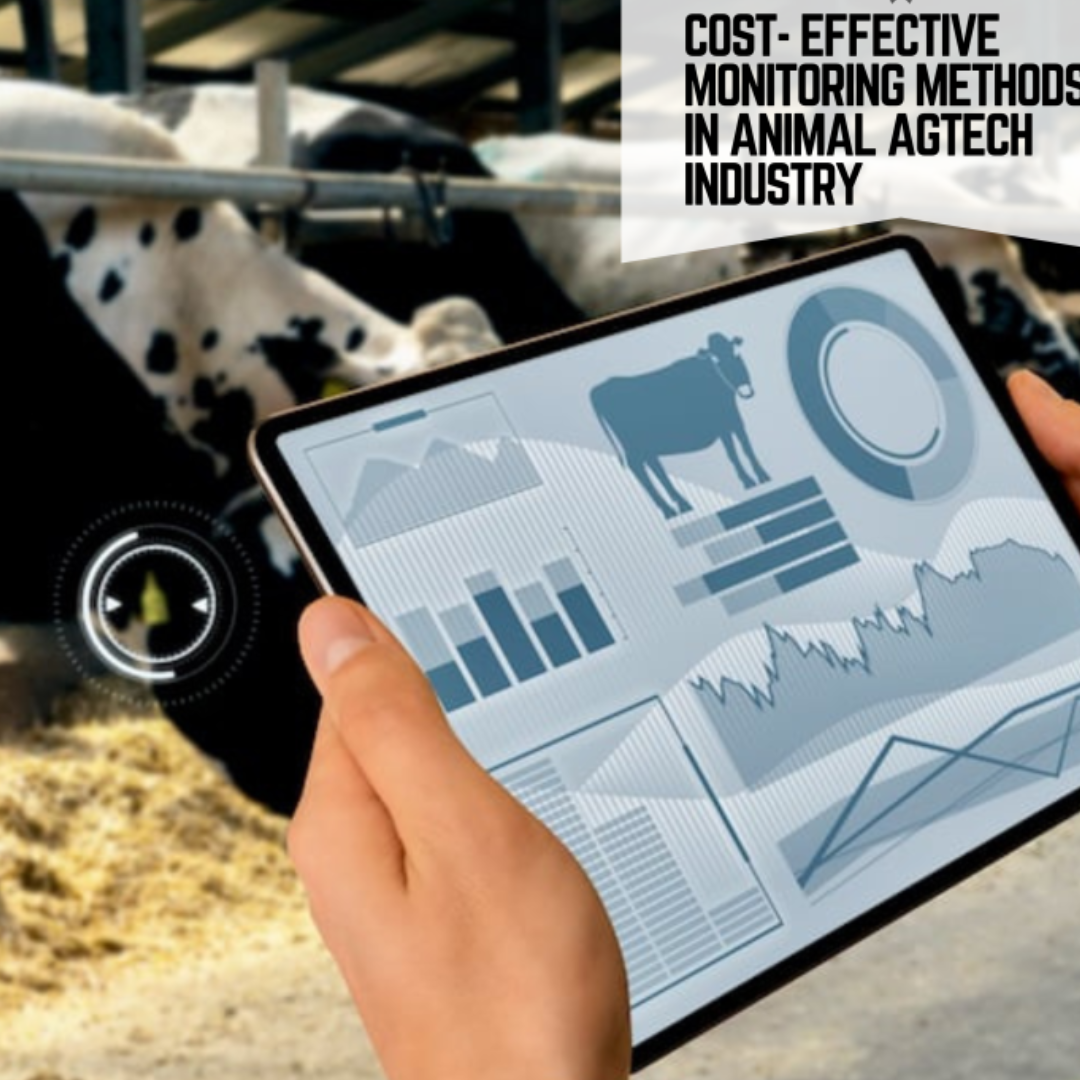
Livestock monitoring systems using LoRaWAN provide a robust and scalable solution for managing agricultural operations. By integrating LoRaWAN technology, these systems enable long-range, low-power communication between sensors, devices, and central management platforms. Sensors attached to livestock, feeding systems, and other infrastructure collect critical data such as location, health status, feeding patterns, and environmental conditions. This data is transmitted to LoRaWAN gateways, which relay it to a cloud-based platform or local server for real-time analysis and decision-making.
LoRaWAN’s capability to cover vast areas with minimal energy usage makes it ideal for large-scale livestock farms, offering enhanced monitoring, predictive maintenance, and resource optimization, ultimately improving the efficiency and sustainability of agricultural operations.
Applications in Livestock Monitoring Using LoRaWAN
- Cattle Tracking
- Sheep and Goat Monitoring
- Poultry House Environment Monitoring
- Feed Intake Monitoring
- Health Monitoring for Livestock
- Livestock Weight Monitoring
- Grazing Patterns Monitoring
- Water Trough Level Monitoring
- Pest Control Monitoring
- Milking Machine Monitoring
- Temperature and Humidity Monitoring
- Fencing and Boundary Monitoring
- Remote Monitoring of Calving
- Pasture Condition Monitoring
- Automatic Feeder Control
- Livestock Behavior Analysis
- Disease Outbreak Alerts
- Preventive Health Maintenance Alerts
- Remote Barn Monitoring
- Solar-Powered Livestock Monitoring
- Livestock Transportation Monitoring
- Health and Safety Compliance Monitoring
- Automated Vaccination Systems
- Remote Camera Surveillance for Livestock
- Automated Feed Systems
- Water Quality Monitoring for Drinking Troughs
- Movement and Activity Tracking
- Asset Location Tracking
- Livestock Management Systems Integration
- Remote Gates Control for Livestock Areas
Technical Specifications of GAO Tek Livestock Monitoring Using LoRaWAN
LoRaWAN End Devices in Livestock Monitoring Systems
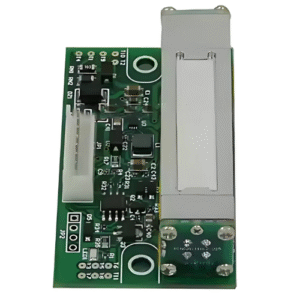
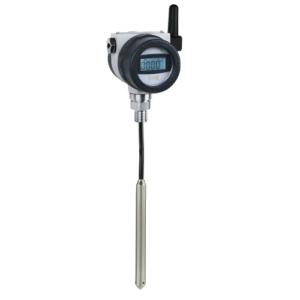
In livestock monitoring systems, LoRaWAN end devices are strategically attached to various components of agricultural infrastructure and directly to livestock to ensure comprehensive data collection and efficient remote management. These end devices, such as sensors, GPS modules, and actuators, are typically attached to livestock collars, feeding systems, and environmental monitoring stations. The placement of these devices is critical to capturing accurate and relevant data for monitoring operations.
For instance, temperature and humidity sensors can be integrated into barns to monitor environmental conditions affecting livestock health. GPS modules are often attached to livestock collars to track location, movement, and grazing patterns. These devices are usually installed in locations that ensure optimal connectivity, power efficiency, and protection from environmental factors.
LoRaWAN end devices are connected to the livestock monitoring system via low-power, wide-area networks, allowing for long-range communication with minimal energy consumption. This connectivity is crucial in expansive agricultural settings, where traditional wireless networks may be inadequate. The devices transmit data to LoRaWAN gateways, which then relay the information to a centralized server or cloud platform for analysis and decision-making.
LoRaWAN Gateways in Livestock Monitoring Systems
In livestock monitoring systems, LoRaWAN gateways play a pivotal role in bridging the communication between end devices and the central management platform. These gateways are strategically installed throughout the farm to ensure comprehensive coverage and reliable data transmission from various sensors and devices attached to livestock and farm infrastructure.
LoRaWAN gateways are typically mounted in elevated positions, such as on tall poles, barns, or buildings, to maximize their line of sight and extend their communication range. The placement is carefully planned to minimize obstacles and interference, ensuring that signals from livestock monitoring devices can reach the gateways without degradation. In large farms, multiple gateways may be deployed in a mesh network configuration to cover expansive areas and ensure redundancy in case of signal loss or interference.
The installation process involves connecting the LoRaWAN gateway to a reliable power source, which may include solar panels in remote or off-grid locations. Additionally, the gateways are equipped with network connectivity options, such as Ethernet or cellular connections, to relay collected data to cloud-based platforms or local servers for analysis and decision-making.
Cloud Systems
GAO LoRaWAN Cloud Systems consist of the following parts:
GAO LoRaWAN Gateways and End Devices
- LORAWAN
- LoRaWAN Gateways
- LoRaWAN End Devices
- LoRaWAN Accessories
- LoRaWAN – Cloud, Server, PC & Mobile Systems
- LoRaWAN Resources
- LoRaWAN Systems
GAO LoRaWAN Cloud Services Engine
Cloud Infrastructure, LoRaWAN Middleware, Data Analytics and Business Intelligence, and Security Measures.
Integration APIs
APIs enable seamless integration between the LoRaWAN solution and existing farm equipment monitoring systems such as POS, inventory management, and e-commerce platforms, allowing for data exchange and synchronization.
Server, PC & Mobile Systems
GAO Server, PC & Mobile LoRaWAN Systems are composed of
LoRaWAN Gateways and LoRaWAN End Devices
GAO Server, PC & Mobile Software Engine LoRaWAN
Servers, PCs, Mobile Computing Devices and Infrastructure, Middleware Software, and Database Management System.
Integration with Livestock Monitoring Systems
The server, PC, and mobile solution integrates with livestock monitoring systems such as animal health tracking, asset management, point-of-sale (POS), and enterprise resource planning (ERP) systems. Integration is achieved through APIs, database connections, or middleware adapters, enabling seamless data exchange and synchronization.