Radio Frequency Identification (RFID)
Overview of RFID Technology in Specimen Monitoring Systems
Radio Frequency Identification (RFID) enables automated, contactless identification and tracking of physical items using electromagnetic fields. Within laboratory and clinical workflows, RFID-based tagging systems provide real-time visibility into specimen location, status, and chain-of-custody. Unlike traditional barcode systems, RFID solutions support non-line-of-sight scanning, batch reads, and dynamic data updates, which are essential for high-throughput environments.
Healthcare providers and diagnostic facilities rely on RFID-enabled specimen intelligence systems to minimize labelling errors, reduce manual intervention, and ensure traceability across collection, transport, storage, and analysis stages. Passive and active RFID tags, combined with fixed or handheld readers, allow continuous monitoring of specimen movement, environmental conditions, and processing timelines. These capabilities are particularly valuable in regulated environments where auditability and data integrity are mandatory.
Defining RFID-Based Specimen Tracking Solutions
RFID systems designed for specimen tracking consist of integrated hardware and software components that enable automated identification, localization, and monitoring of biological samples throughout their lifecycle.
These systems typically include:
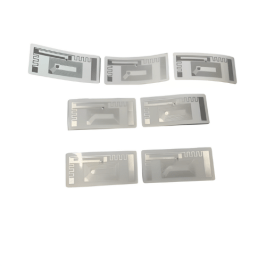
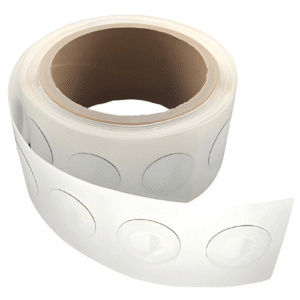
- RFID tags or transponders attached to specimen containers such as vials, tubes, or transport kits
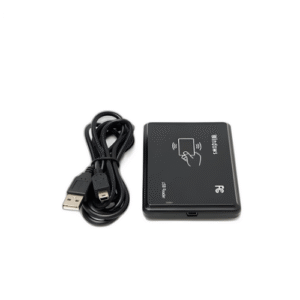
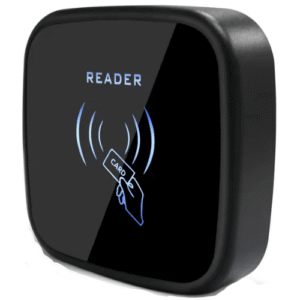
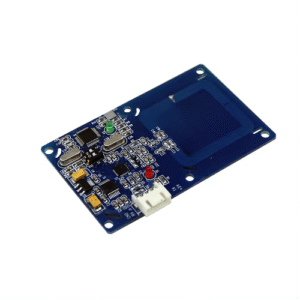
- RFID readers that emit radio waves and capture tag responses
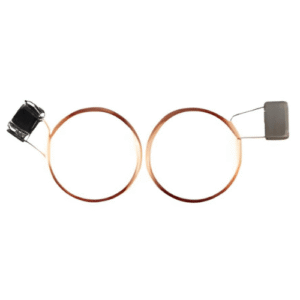
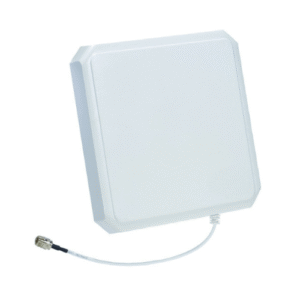
- Antennas configured for specific read zones such as storage units, transport corridors, or processing stations
- Middleware platforms that process tag data and integrate with Laboratory Information Management Systems (LIMS) or hospital IT infrastructure
Specimen Track designs RFID-based tracking systems specifically for healthcare environments where accuracy, sterility, and compliance are critical. Systems are engineered to function reliably in cold storage, high-density racks, and mobile transport conditions.
RFID Tag Classifications for Laboratory Use
Different RFID tag types are selected based on use-case requirements:
- Passive RFID tags
- No internal power source
- Activated by reader signal
- Suitable for short-range identification in labs and storage systems
- Active RFID tags
- Battery-powered with extended read range
- Used for transport monitoring and real-time location tracking
- Semi-passive tags
- Combine battery-assisted sensing with passive communication
- Ideal for temperature-sensitive specimen monitoring
Specimen Track provides configurable tag options that align with sample type, container material, and environmental exposure conditions.
Intelligent Identification and Real-Time Visibility
RFID-enabled systems provide continuous tracking of specimens without requiring manual scanning. Readers installed at key checkpoints automatically log specimen movement, ensuring that every transition is recorded with time-stamped precision.
Capabilities include:
- Multi-tag simultaneous reading for bulk specimen processing
- Real-time location tracking within defined zones
- Automated check-in and check-out workflows
- Integration with digital records for instant data synchronization
Environmental Monitoring and Condition Tracking
Certain RFID tags incorporate sensors that capture environmental parameters critical to specimen integrity:
- Temperature monitoring for cold chain compliance
- Humidity detection for sensitive biological samples
- Exposure logging during transport and storage
Specimen Track integrates these sensor-enabled tags with monitoring dashboards, allowing healthcare professionals to identify deviations and take corrective action.
Configurable Read Zones and Infrastructure Deployment
RFID systems can be tailored to different facility layouts:
- Fixed readers at laboratory entry points, storage units, and processing stations
- Handheld readers for mobile verification and exception handling
- Portal-based readers for automated tracking during transport
System architects at Specimen Track work with integrators to define optimal reader placement based on workflow analysis and signal propagation characteristics.
Data Integration and Interoperability
RFID platforms are designed to integrate with existing healthcare IT systems:
- LIMS integration for specimen lifecycle management
- Electronic Health Record (EHR) synchronization for patient association
- API-based connectivity for custom analytics and reporting
Assumption: Integration complexity depends on the maturity of the existing IT infrastructure and data standardization within the facility.
Security and Access Control
RFID systems support secure data handling and access control mechanisms:
- Role-based access to specimen data
- Encryption of tag-reader communication
- Audit logs for compliance verification
Specimen Track emphasizes secure system design aligned with healthcare data protection requirements.
Key Use Cases Across Clinical and Diagnostic Environments
- Automated tracking of blood samples across collection, centrifugation, storage, and testing stages in high-volume diagnostic laboratories
- Real-time monitoring of biopsy specimens during intra-hospital transport to prevent delays and ensure chain-of-custody compliance
- Cold chain tracking of vaccine samples with temperature-sensitive RFID tags to maintain viability during storage and distribution
- Inventory management of specimen containers within biobanks, enabling precise location tracking and retrieval optimization
- Monitoring of infectious disease samples in containment labs to ensure safe handling and regulatory traceability
- Integration with robotic laboratory systems for automated specimen sorting and processing without manual intervention
- Tracking of clinical trial samples across multiple sites, ensuring consistent data capture and regulatory compliance
- Management of pathology specimens from surgical theatres to diagnostic labs with automated logging of transfer events
- Detection of misplaced or delayed specimens using zone-based RFID alerts in large healthcare facilities
- Monitoring specimen kits in decentralized collection networks to ensure timely delivery to central laboratories
Regulatory and Compliance Frameworks for Specimen Tracking
- FDA 21 CFR Part 11
- HIPAA (Health Insurance Portability and Accountability Act)
- ISO 13485
- ISO/IEC 18000 (RFID Air Interface Standards)
- FCC Part 15
- UL Certification
- Health Canada Medical Device Regulations (CMDR)
- ISED Canada RSS Standards
- GS1 Standards for Healthcare Identification
- CLIA (Clinical Laboratory Improvement Amendments)
Precision, Reliability, and Operational Efficiency
RFID-based systems offer measurable advantages over traditional identification technologies:
- Non-line-of-sight scanning enables faster processing and reduced manual handling
- High read accuracy even in dense storage environments with multiple tagged items
- Reduced human error in specimen identification and data entry
- Continuous tracking eliminates blind spots in specimen movement
Specimen Track leverages these advantages to help healthcare facilities improve throughput and maintain data integrity.
Scalability for Complex Healthcare Environments
Systems are designed to scale across multiple facilities and departments:
- Modular architecture allows incremental deployment
- Support for thousands of tags and concurrent reads
- Cloud and on-premise deployment options
Engineering teams at Specimen Track ensure that scalability does not compromise system performance or reliability.
Durability and Environmental Compatibility
RFID components are engineered for challenging healthcare conditions:
- Tags resistant to chemical exposure and sterilization processes
- Reliable operation in low-temperature storage environments such as freezers and cryogenic units
- Stable performance in metal-rich and liquid-heavy environments with proper antenna tuning
Data Accuracy and Auditability
RFID systems provide comprehensive traceability:
- Automated event logging with timestamps
- Immutable records for compliance audits
- Reduced discrepancies between physical specimens and digital records
These capabilities support regulatory adherence and improve confidence in diagnostic outcomes.
Reduced Total Cost of Ownership
While initial deployment costs may be higher than barcode systems, RFID delivers long-term value:
- Lower labor costs due to automation
- Reduced specimen loss and associated rework
- Improved operational efficiency leading to faster turnaround times
Specimen Track focuses on optimizing system design to balance performance and cost efficiency for enterprise deployments.
Specimen Track has built a strong reputation for delivering reliable specimen monitoring solutions tailored to healthcare environments. Our growing presence across North America reflects consistent performance in system integration, product durability, and technical support.
Our approach includes:
- Detailed workflow analysis before system design
- Continuous product development based on real-world deployment feedback
- Strict quality assurance protocols to ensure system reliability
- Collaboration with system integrators and healthcare IT teams
We help organizations improve operational visibility and unlock the full potential of automated specimen tracking technologies.
Healthcare organizations, laboratory operators, and system integrators seeking robust RFID-based specimen tracking systems can engage directly with our technical team. Whether evaluating deployment options, integrating with existing infrastructure, or optimizing current workflows, Specimen Track provides expert guidance and support.
Reach out through our official ContactUs to start a discussion or request technical consultation by visiting our page and connecting with our specialists.
Showing 1–12 of 860 results
Product successfully added to the Quote List
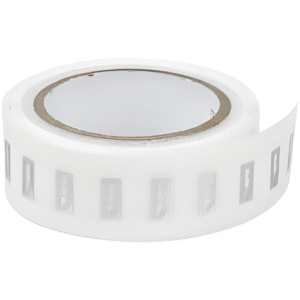
Radio Frequency Identification (RFID)10mm Mini Rewritable RFID NFC Sticker Roll, 215/213 Chips – Specimen Track
Product successfully added to the Quote List
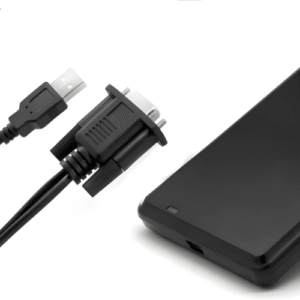
Radio Frequency Identification (RFID)125 kHz LF RFID Smart Card USB Reader & Writer – Specimen Track
Product successfully added to the Quote List
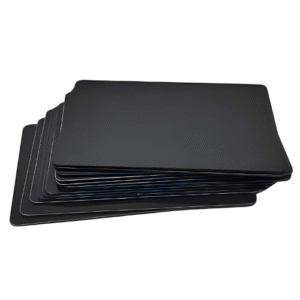
Radio Frequency Identification (RFID)125 KHz/13.56 MHz RFID Contactless Printable PVC Card – Specimen Track
Product successfully added to the Quote List
Radio Frequency Identification (RFID)125KHz & 13.56MHz RFID Reader with ISO 14443-A Protocol – Specimen Track
Product successfully added to the Quote List
Radio Frequency Identification (RFID)125kHz & 13.56MHz USB RFID Reader with Buzzer – Specimen Track
Product successfully added to the Quote List
Radio Frequency Identification (RFID)125kHz Embeddable RFID Ear Tag with Long-Range Antenna – Specimen Track
Product successfully added to the Quote List
Radio Frequency Identification (RFID)125KHz/13.56MHz RFID Reader DC 12V ISO 14443A EM4200/Mi – Specimen Track
Product successfully added to the Quote List
Radio Frequency Identification (RFID)13.56 MHz & UHF RFID Tag with 2k Bits Memory & Silver Paste – Specimen Track
Product successfully added to the Quote List
Radio Frequency Identification (RFID)13.56 MHz 1K Chip Inlay Sheet for SmartCard, ISO 14443A – Specimen Track
Product successfully added to the Quote List
Product successfully added to the Quote List
Radio Frequency Identification (RFID)13.56 MHz Desktop RFID HF Scanning Reader with 6dBi Antenna – Specimen Track
Product successfully added to the Quote List
Radio Frequency Identification (RFID)13.56 MHz FM1108 Disposable Paper Wristbands, ISO 14443A – Specimen Track