Chemical Sensors
Overview of Chemical Sensing Technologies for Specimen Lifecycle Control
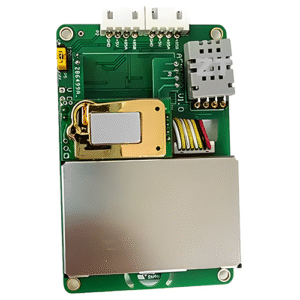
Chemical sensing technologies play a critical role in maintaining specimen integrity across collection, storage, transportation, and laboratory processing workflows. These sensing modules detect chemical signatures, gas concentrations, pH variations, and biochemical markers that indicate environmental exposure or degradation risk. Designed for connected specimen management environments, these sensors enable health professionals and technical teams to validate storage conditions, identify contamination events, and support traceability throughout complex testing pathways.
Modern chemical sensing platforms integrate signal conditioning, wireless telemetry, and calibration intelligence to support accurate measurement under dynamic handling conditions. Through advanced material science and electronics engineering, these sensing devices deliver real time visibility into specimen safety factors that influence diagnostic reliability. Such capabilities support laboratory efficiency, compliance monitoring, and operational transparency in distributed healthcare networks.
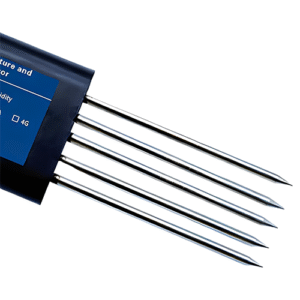
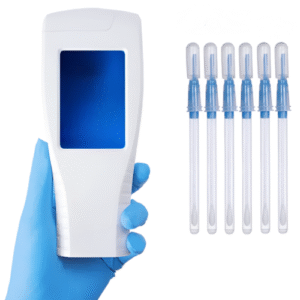
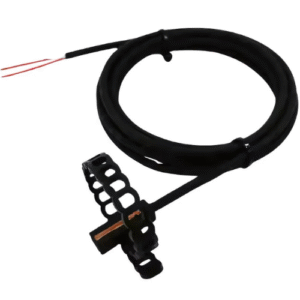
Chemical sensors designed for specimen lifecycle oversight are precision measurement devices engineered to detect chemical changes that may impact sample viability. Specimen Track deploys multiple sensor architectures to address diverse monitoring requirements across healthcare logistics and laboratory workflows.
Electrochemical Chemical Sensors
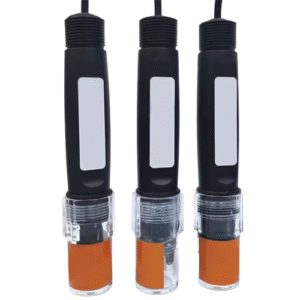
Electrochemical sensors operate by measuring current or voltage generated during chemical reactions between analytes and sensing electrodes. These sensors are commonly used to monitor oxygen levels, carbon dioxide concentrations, or toxic gas exposure that can compromise specimen stability.
Specimen Track electrochemical modules incorporate microfabricated electrodes, temperature compensation circuitry, and drift correction algorithms to ensure measurement reliability during specimen transport cycles.
Optical Chemical Sensors
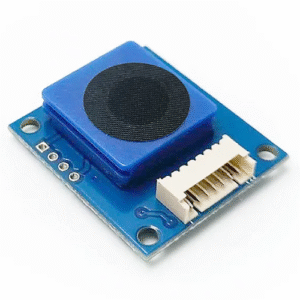
Optical sensing platforms use light absorption, fluorescence, or colorimetric changes to quantify chemical properties. These sensors are highly suitable for pH monitoring and detection of biochemical degradation indicators.
Specimen Track optical sensors are engineered with photodiodes, spectral filters, and integrated calibration memory to support accurate readings in variable storage environments.
Semiconductor Gas Sensors
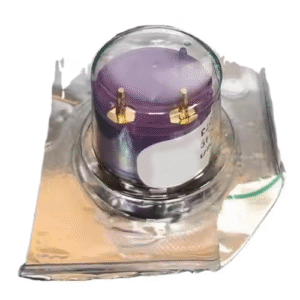
Semiconductor chemical sensors detect changes in electrical resistance when exposed to specific gases. These devices are valuable for identifying volatile organic compounds or environmental contaminants affecting specimen containers.
Specimen Track integrates advanced metal oxide sensing elements combined with embedded signal processing for rapid response and stable long term performance.
Solid State Ion Selective Sensors
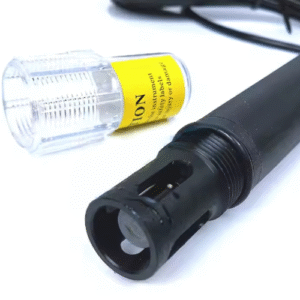
Ion selective sensors measure concentrations of specific ions such as hydrogen or sodium that influence biochemical specimen conditions.
Specimen Track implements miniaturized ion selective membranes and precision reference electrodes to deliver accurate ion measurement in compact specimen tracking devices.
Configurable Measurement Intelligence for Connected Specimen Oversight
Specimen Track chemical sensing platforms are engineered with modular design principles to support diverse healthcare operational environments. These sensors enable configurable data acquisition strategies aligned with laboratory protocols, transport risk profiles, and specimen sensitivity characteristics.
Environmental Event Detection
Chemical sensors monitor microenvironmental changes that indicate exposure risks. Examples include gas leakage within transport containers or chemical contamination during storage transitions.
Adaptive Calibration Algorithms
Specimen Track devices include firmware driven calibration routines that adjust measurement baselines based on sensor aging characteristics and environmental variability. This reduces false alerts and supports measurement consistency across long deployment cycles.
Multi Parameter Sensing Integration
Combined sensing architectures allow simultaneous monitoring of chemical composition, humidity, and temperature. This integrated approach provides comprehensive visibility into specimen handling conditions.
Edge Level Data Processing
Chemical sensing nodes include embedded microcontrollers capable of preprocessing measurement signals before transmission. Such architecture reduces network bandwidth requirements and improves data reliability in remote monitoring scenarios.
Wireless Telemetry and System Integration
Specimen Track chemical sensors support low power wireless protocols such as BLE, LoRaWAN, or cellular IoT connectivity. Integration with specimen management platforms enables automated alerts, audit logging, and compliance reporting.
Configurable Sampling Intervals
Engineers and laboratory teams can define measurement frequency based on specimen criticality. High risk biological samples may require continuous monitoring while routine specimens can be tracked at defined intervals.
Secure Data Logging
Onboard memory buffers measurement data to support chain verification even in temporary connectivity loss situations. This capability strengthens traceability during cross facility transfers.
Real World Use Cases Supporting Connected Specimen Visibility
- Monitoring gas accumulation within sealed specimen transport containers to detect leakage events that may compromise diagnostic material integrity during long distance transfers.
- Validating biochemical stability of blood samples by tracking pH variations across refrigerated storage cycles in hospital laboratories and centralized testing facilities.
- Detecting chemical contamination risks during specimen handoff points in multi site clinical research environments requiring precise audit trails for regulatory validation.
- Supporting pathology workflows by identifying exposure to volatile substances that could alter tissue preservation quality before histological examination procedures.
- Enabling vaccine trial specimen monitoring by measuring environmental chemical markers that indicate storage condition deviations across distributed research networks.
- Providing contamination detection within mobile specimen collection units operating in community health programs where environmental conditions are less controlled.
- Assisting forensic laboratories by monitoring chemical degradation patterns that affect evidence specimens requiring documented custody and environmental validation.
- Facilitating pharmaceutical quality assurance by verifying specimen exposure limits during stability testing and drug development sample management operations.
- Enhancing cold chain verification through chemical sensing integration in smart containers used for transporting biologically sensitive diagnostic materials.
- Supporting laboratory automation systems by feeding chemical condition data into robotics workflows that prioritize specimen processing sequences based on risk indicators.
Regulatory Frameworks Impacting Specimen Condition Monitoring Technologies
- FDA 21 CFR Part 820
- FDA Guidance for Medical Device Data Systems
- ISO 13485
- ISO 14971
- UL 61010
- FCC Part 15
- Health Canada Medical Device Regulations
- CSA C22.2 No. 61010
- HIPAA Security Rule
- NIST Cybersecurity Framework
Technical Differentiators Supporting Reliable Specimen Lifecycle Oversight
Specimen Track has quickly established itself as a trusted leader in delivering connected specimen monitoring solutions. With a growing B2B presence across North America, we lead in technology innovation, product reliability, and customer focused support. Through research driven engineering practices and strict quality assurance validation, our chemical sensing systems address operational challenges faced by healthcare logistics teams, diagnostic laboratories, and system integrators.
High Measurement Stability Across Transport Conditions
Chemical sensors are engineered with ruggedized packaging and vibration tolerant electronics. This ensures measurement accuracy even when specimens experience mechanical shocks during transportation.
Precision Microfabrication Techniques
Specimen Track leverages semiconductor grade fabrication processes to achieve consistent sensor sensitivity and reduced batch variability. Such manufacturing discipline supports large scale deployment confidence.
Long Term Calibration Retention
Sensors incorporate advanced reference materials and protective coatings that reduce drift caused by humidity exposure or chemical fouling. Maintenance cycles are therefore predictable and manageable.
Low Power Operation for Extended Deployment
Optimized analog front end circuitry and energy efficient communication protocols enable multi month battery life. This is critical for specimen tracking deployments where frequent device access is impractical.
System Integrator Friendly Interfaces
Open communication APIs and standardized data formats simplify integration with laboratory information systems, healthcare ERP platforms, and IoT orchestration frameworks.
Scalable Device Fleet Management
Centralized configuration tools allow engineering teams to update sensing thresholds, firmware logic, and telemetry policies across large device fleets. This supports evolving regulatory requirements and operational workflows.
Real World Deployment Experience
Specimen Track chemical sensors are utilized in distributed hospital networks where specimen transit durations vary from minutes to several days. Feedback from biomedical engineers has informed sensor packaging improvements, connector reliability enhancements, and enclosure sealing strategies.
Quality Assurance and Validation
Each sensing module undergoes environmental stress screening, calibration verification, and functional testing before deployment. Such validation supports procurement teams seeking dependable measurement infrastructure.
High Sensitivity and Selectivity
Specimen Track sensors are designed with optimized sensing materials and detection mechanisms that ensure high specificity to target chemicals, minimizing cross-sensitivity and false readings.
Stability in Controlled and Variable Environments
Engineered for both stable laboratory conditions and dynamic transport scenarios, these sensors maintain consistent performance across temperature fluctuations and varying humidity levels.
Low Power Consumption for Distributed Deployments
Energy-efficient designs support long-term operation in battery-powered systems, making them suitable for remote specimen monitoring applications.
Scalable Integration Architecture
Chemical sensors are compatible with modular system architectures, enabling seamless scaling from single laboratory units to multi-site healthcare networks.
Rapid Response Time
Fast detection capabilities allow immediate identification of chemical changes, reducing the risk of specimen compromise during critical handling stages.
Data Accuracy and Audit Readiness
High-resolution sensing combined with timestamped data logging supports regulatory compliance and ensures defensible records during audits and inspections.
Robust Design for Healthcare Environments
Sensors are built with materials and enclosures suitable for sterile environments, minimizing contamination risks and supporting cleaning and sterilization protocols.
Interoperability with Healthcare Systems
Integration with laboratory information systems and electronic health records ensures that chemical condition data contributes to broader clinical workflows and decision-making processes.
Specimen Track continues to expand its capabilities through ongoing research and development, delivering reliable chemical sensing solutions that support healthcare providers, laboratories, and system integrators across North America and beyond.
Organizations seeking reliable chemical sensing technologies for specimen monitoring can connect directly with our technical team. Whether you are designing a new laboratory infrastructure or upgrading existing monitoring systems, our experts provide guidance tailored to your operational requirements.
Reach out through our Contact Us to discuss product specifications, request technical consultations, or explore integration options with Specimen Track solutions.
Showing 1–12 of 79 results
-
Product successfully added to the Quote List
-
Product successfully added to the Quote List
-
Product successfully added to the Quote List
-
Product successfully added to the Quote List
-
Product successfully added to the Quote List
-
Product successfully added to the Quote List
-
Product successfully added to the Quote List
-
Product successfully added to the Quote List
-
Product successfully added to the Quote List
-
Product successfully added to the Quote List
-
Product successfully added to the Quote List
-
Product successfully added to the Quote List