Motion Sensors
Overview of Motion Sensors in Specimen Monitoring Environments
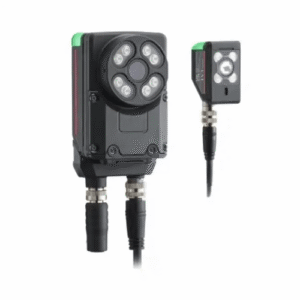
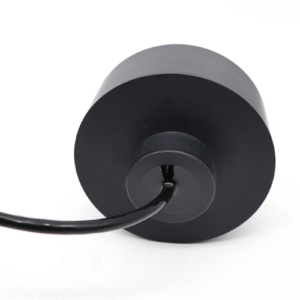
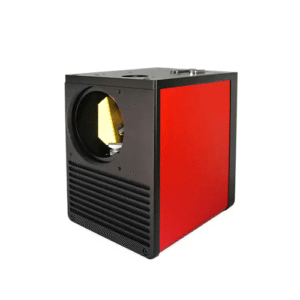
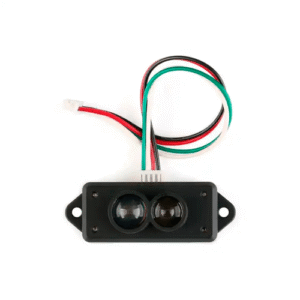
Motion sensors play a critical role in intelligent specimen tracking ecosystems by detecting movement, vibration, and physical disturbances across controlled environments. These sensing devices enable continuous monitoring of specimen handling, storage access, and transport activity across laboratories, hospitals, and research facilities. Technologies such as passive infrared detection, microwave sensing, ultrasonic detection, and accelerometer-based motion tracking provide precise visibility into specimen interactions.
Healthcare and laboratory teams rely on these systems to reduce unauthorized handling, improve chain-of-custody validation, and enhance operational accountability. Motion-triggered alerts, integrated with IoT-enabled tracking platforms, allow real-time notifications when specimens are moved outside predefined parameters. This ensures better compliance with regulatory protocols while reducing risks related to contamination, misplacement, or unauthorized access.
Specimen Track supports advanced motion sensing solutions that align with modern laboratory automation and connected specimen intelligence requirements, enabling organizations to operate with higher accuracy and control.
Passive Infrared (PIR) Motion Sensors by Specimen Track
PIR sensors detect changes in infrared radiation emitted by objects and human presence. These are widely used in controlled lab environments where non-contact motion detection is required.
Microwave Motion Sensors for Enclosed Storage Monitoring
Microwave-based sensors emit electromagnetic waves and measure their reflection to detect motion, offering higher sensitivity through barriers such as plastic or glass specimen containers.
Ultrasonic Motion Sensors for Precision Detection
Ultrasonic sensors emit high-frequency sound waves and analyze their reflection patterns. These are suitable for detecting subtle movements in enclosed specimen storage units.
Accelerometer-Based Motion Sensors for Specimen Containers
Accelerometers detect movement, vibration, tilt, and shock directly at the specimen level. These sensors are commonly integrated into smart specimen transport boxes.
Dual-Technology Motion Sensors for Reduced False Positives
Combination sensors that integrate PIR and microwave technologies help improve detection accuracy in environments with temperature fluctuations or ambient interference.
Intelligent Motion Detection and Event Classification
Specimen Track motion sensors are engineered to differentiate between relevant and irrelevant motion events. This includes filtering out environmental noise such as HVAC airflow while accurately detecting human interaction or unauthorized access.
Real-Time Alerting and Notification Systems
Motion events trigger immediate alerts that can be configured for multiple communication channels:
- SMS notifications for lab personnel
- Email alerts for compliance teams
- Dashboard alerts within centralized monitoring platforms
- API-based integration with hospital management systems
Configurable Sensitivity and Detection Zones
Sensor sensitivity can be adjusted based on use case requirements:
- High sensitivity for controlled storage units
- Moderate sensitivity for transport monitoring
- Zoned detection for restricted access areas within laboratories
Integration with IoT-Based Specimen Tracking Systems
Motion sensors function as part of a broader connected ecosystem, integrating with:
- RFID-based specimen identification systems
- BLE-enabled tracking devices
- Environmental sensors measuring temperature and humidity
- Cloud-based analytics platforms for audit trails and reporting
Edge Processing for Faster Decision-Making
Certain Specimen Track motion sensing devices include onboard processing capabilities that analyze motion patterns locally before transmitting data. This reduces latency and ensures faster response times in critical environments.
Power Optimization for Long-Term Deployment
Low-power designs enable extended battery life for sensors deployed in remote or mobile specimen tracking scenarios. Sleep modes and event-driven activation help conserve energy without compromising monitoring accuracy.
Secure Data Transmission and Encryption
Data generated by motion sensors is transmitted using secure communication protocols, ensuring compliance with healthcare data protection requirements. Encryption methods such as AES-128 or AES-256 are implemented depending on deployment architecture.
Customizable Mounting and Deployment Options
Motion sensors can be configured for various installation scenarios:
- Wall-mounted sensors for lab access monitoring
- Embedded sensors within specimen freezers
- Portable sensors integrated into transport containers
- Ceiling-mounted units for room-level monitoring
- Monitoring unauthorized access to specimen storage units in hospital laboratories, ensuring compliance with chain-of-custody protocols and internal audit requirements.
- Tracking movement of specimen transport containers during interdepartmental transfers, providing real-time visibility and reducing risks of sample mishandling.
- Detecting vibration and shock events during specimen transportation across long distances, helping maintain specimen integrity for diagnostic accuracy.
- Enhancing security in biobanks by identifying unexpected motion events in restricted storage areas, improving asset protection and regulatory compliance.
- Monitoring freezer and cold storage unit access patterns to ensure specimens remain undisturbed within required environmental conditions.
- Supporting clinical trials by tracking specimen handling events, enabling accurate documentation and traceability throughout research workflows.
- Integrating with laboratory automation systems to trigger workflows based on motion detection, improving operational efficiency and response times.
- Detecting tampering attempts in specimen containers used for forensic or legal purposes, ensuring evidentiary integrity and compliance.
- Monitoring mobile specimen carts in large healthcare facilities, reducing loss and improving operational coordination across departments.
Enabling remote monitoring of specimen storage in decentralized healthcare facilities, supporting telehealth and distributed diagnostic models. 
- FDA 21 CFR Part 11
- HIPAA Compliance Requirements
- ISO 13485
- ISO 14971
- UL Certification
- FCC Part 15
- ICES-003 (Canada)
- CSA Certification
- RoHS Compliance
- REACH Compliance
- NIST Cybersecurity Framework
- ANSI C12 Standards (where applicable to sensor electronics)
High Detection Accuracy with Minimal False Alarms
Advanced signal processing algorithms enable accurate motion detection while minimizing false positives caused by environmental factors such as airflow, temperature variation, or equipment vibration.
Multi-Technology Sensing for Complex Environments
Combination of PIR, microwave, ultrasonic, and accelerometer technologies allows deployment across diverse specimen monitoring scenarios with varying environmental conditions.
Scalable Architecture for Enterprise Deployment
Systems are designed to scale from single laboratory installations to multi-site healthcare networks, supporting centralized monitoring and distributed sensor deployment.
Real-Time Visibility into Specimen Handling
Continuous motion tracking provides detailed insights into how specimens are accessed, moved, and stored, improving accountability and operational transparency.
Integration with Existing Healthcare Infrastructure
Motion sensors are compatible with existing IT systems, including laboratory information management systems and hospital information systems, ensuring smooth deployment without major infrastructure changes.
Enhanced Chain-of-Custody Assurance
Motion event logs provide verifiable records of specimen handling activities, supporting compliance audits and reducing liability risks.
Robust Performance in Controlled and Dynamic Environments
Sensors are engineered to function reliably across a range of conditions, including:
- Temperature-controlled environments such as freezers and cold rooms
- High-traffic laboratory settings
- Mobile transport scenarios involving vibration and movement
Secure and Reliable Communication Protocols
Support for multiple communication technologies such as BLE, LoRaWAN, and Wi-Fi ensures reliable data transmission across different facility layouts and operational requirements.
Continuous Innovation and Quality Assurance by Specimen Track
Specimen Track has quickly established itself as a trusted leader in delivering intelligent specimen monitoring solutions. A growing B2B presence across North America reflects strong performance in technology innovation, product reliability, and customer-focused support. Ongoing research, rigorous testing, and structured quality assurance processes ensure that motion sensing solutions meet the evolving needs of healthcare and laboratory environments.
Organizations seeking to improve specimen monitoring accuracy, enhance security, and strengthen compliance frameworks can benefit from tailored motion sensing solutions. Specimen Track provides technical consultation, deployment guidance, and product support to help engineering teams and procurement leaders select the right configurations.
Connect with our specialists through the Contact Us to discuss your requirements, request product details, or explore integration strategies aligned with your operational goals.
Showing 1–12 of 233 results
-
Product successfully added to the Quote List
-
Product successfully added to the Quote List
-
Product successfully added to the Quote List
-
Product successfully added to the Quote List
-
Product successfully added to the Quote List
-
Product successfully added to the Quote List
-
Product successfully added to the Quote List
-
Product successfully added to the Quote List
-
Product successfully added to the Quote List
-
Product successfully added to the Quote List
-
Product successfully added to the Quote List
-
Product successfully added to the Quote List