Optical & Imaging Sensors
Overview of Optical & Imaging Sensors for Specimen Monitoring Systems
Optical and imaging sensors provide the visual data layer required for accurate identification, verification, and condition assessment of biological specimens across laboratory and transport workflows. These sensing technologies use light detection, digital imaging, and spectral analysis to capture high-resolution data from specimen labels, containers, and surrounding environments.
Applications include barcode decoding, optical character recognition, fluorescence detection, and image-based validation of specimen integrity. Imaging modules equipped with embedded processing enable automated inspection at each handling stage, reducing reliance on manual checks and minimizing human error.
Integrated within connected specimen monitoring ecosystems, these sensors support continuous visibility, real-time validation, and audit-ready traceability. Their role is critical in environments where precise identification, chain-of-custody tracking, and compliance with regulated laboratory standards are essential.
Optical Detection and Imaging Technologies by Specimen Track
Optical and imaging sensors are electronic systems that convert light signals into digital information for identification, inspection, and validation tasks within specimen management workflows. These devices combine photodetectors, illumination sources, and imaging arrays such as CMOS or CCD sensors to capture and process visual data.
Specimen Track optical sensing solutions include:
- Area scan cameras for high-resolution imaging of specimen containers and labels
- Line scan imaging systems for conveyor-based inspection workflows
- Image-based barcode and QR code readers for accurate specimen identification
- Fluorescence imaging sensors for detecting tagged biological materials
- Multispectral and hyperspectral imaging sensors for advanced material analysis
- Optical presence sensors for positioning and handling validation
Each sensor type supports a defined role in specimen lifecycle management, from intake verification to storage validation and transport monitoring.
Specimen Track designs optical systems for deployment across distributed monitoring environments, where image data is captured, processed, and transmitted for validation and logging. These sensors integrate with edge computing devices and laboratory information systems to enable real-time decision-making and compliance tracking.
Assumption: Implementation environments may include automated laboratories, hospital diagnostic units, and third-party logistics systems with varying throughput and environmental conditions.
High-Resolution Image Acquisition and Processing
Optical systems support detailed image capture for accurate specimen identification and inspection:
- Adjustable resolution for macro and micro-level imaging requirements
- Automatic exposure control for low-light and reflective environments
- Image enhancement functions including noise reduction and contrast optimization
- Edge-based processing for real-time validation and decision support
Multi-Modal Optical Sensing Capabilities
Specimen Track integrates multiple optical sensing techniques to improve detection reliability:
- Visible spectrum imaging for standard identification workflows
- Infrared sensing for monitoring temperature-sensitive specimen conditions
- Ultraviolet fluorescence detection for tagged biological samples
- Spectral imaging for identifying material composition and anomalies
Flexible Deployment and Configuration Options
Optical sensors are engineered for diverse operational environments:
- Fixed mounting for conveyor and automation systems
- Embedded modules for integration into storage and refrigeration units
- Handheld devices for manual inspection workflows
- Compact imaging units for transport containers and mobile systems
Connectivity and System Integration
Sensors support robust communication and integration capabilities:
- Ethernet and industrial communication interfaces for fixed installations
- Wireless connectivity including Wi-Fi and Bluetooth for mobile monitoring
- Secure data transmission supporting compliance requirements
- API-based integration with laboratory and asset management systems
Calibration and Operational Reliability
Maintaining accuracy in optical sensing requires consistent calibration and system monitoring:
- Factory calibration with support for periodic recalibration
- Self-diagnostic features to detect performance deviations
- Firmware updates to enhance processing accuracy and functionality
- Replaceable optical components to extend system lifecycle
- Automated verification of specimen labels during intake processes to ensure accurate patient identification and reduce labeling errors
- Imaging-based inspection of specimen containers to detect cracks, leaks, or contamination before laboratory processing
- Continuous monitoring of specimen placement within automated storage systems using optical positioning detection
- Barcode and QR code scanning during specimen transport to maintain accurate chain-of-custody records across facilities
- Fluorescence-based detection of tagged biological samples in research laboratories requiring precise experimental tracking
- Optical validation of packaging integrity in cold chain logistics to prevent specimen degradation due to environmental exposure
- Integration with robotic systems for image-guided specimen sorting and routing in high-throughput laboratory environments
- Remote visual inspection capabilities supporting decentralized diagnostics and telemedicine workflows
- Spectral imaging used to detect biochemical changes in sensitive specimens during extended storage periods
- Real-time visual documentation of specimen handling processes to support audit trails and regulatory compliance
- Monitoring specimen handling accuracy in clinical trial logistics where traceability and validation are required
- Supporting pharmaceutical laboratories with imaging-based verification of sample preparation and handling processes
- Providing visual validation data for specimen shipments across multi-site healthcare and research operations
- Enhancing quality control workflows through automated inspection and image-based anomaly detection
Specimen Track Compliance with USA and Canada Regulations for Optical Sensors
- FDA 21 CFR Part 820
- FDA 21 CFR Part 11
- ISO 13485
- ISO 14971
- IEC 60601-1
- IEC 61010-1
- CLSI AUTO12-A
- HIPAA
- PIPEDA
- UL Certification
- CSA Certification
- FCC Part 15
- RoHS
High Accuracy in Complex Laboratory Conditions
Optical systems maintain consistent performance across varying lighting conditions, high-throughput workflows, and diverse specimen types through adaptive imaging and processing techniques.
Reduction of Manual Inspection Errors
Automated image capture and validation reduce dependency on manual checks, improving identification accuracy and minimizing operational risks.
Scalable Deployment Across Distributed Systems
Sensor architectures support incremental deployment across multiple facilities, allowing organizations to expand monitoring capabilities without major infrastructure changes.
Strong Data Integrity and Visual Traceability
Captured image data provides verifiable records for audits, compliance reporting, and incident investigation, strengthening traceability across specimen lifecycles.
Designed for Continuous Operation
Engineering considerations ensure long-term reliability:
- Industrial-grade components resistant to environmental stress
- Thermal management for stable sensor performance
- Predictive diagnostics to minimize downtime
Interoperability with Laboratory Ecosystems
Sensors integrate with existing laboratory information systems and tracking platforms, enabling unified monitoring and streamlined data workflows.
Proven Expertise and Innovation
Specimen Track has quickly established itself as a trusted leader in connected specimen monitoring solutions. With a growing B2B presence across North America, we focus on technology innovation, product reliability, and customer-focused support. Through continuous research, strict quality assurance, and expert guidance, we help organizations streamline operations and maximize the value of testing and measurement systems.
Organizations looking to improve specimen visibility, accuracy, and compliance can benefit from tailored optical sensing solutions designed for real-world laboratory and logistics environments. Whether integrating imaging systems into existing workflows or deploying new monitoring infrastructure, Specimen Track provides technical expertise and implementation support.
Connect with our team through Contact Us to discuss product specifications, request technical consultation, or explore solutions aligned with your operational requirements.
Showing 1–12 of 17 results
-
Product successfully added to the Quote List
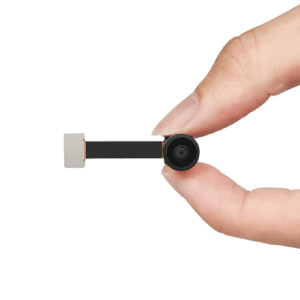
Optical & Imaging Sensors0.3MP CMOS Camera Module OV 7725, MIPI, 640×480, Auto Focus, 112° View – Specimen Track
-
Product successfully added to the Quote List
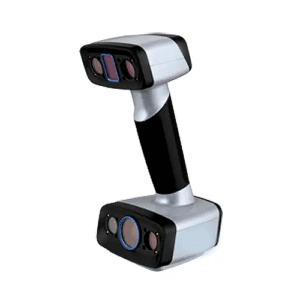
Optical & Imaging Sensors15 FPS 3D Scanner with LED Light Broad Object Range 0.07in Measure – Specimen Track
-
Product successfully added to the Quote List
-
Product successfully added to the Quote List
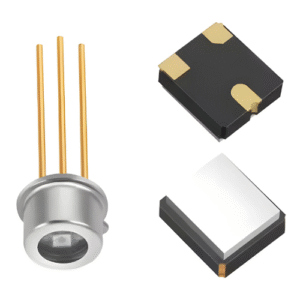
Optical & Imaging Sensors800nm to 1700nm Avalanche Photodetector Diode Laser Sensor – Specimen Track
-
Product successfully added to the Quote List
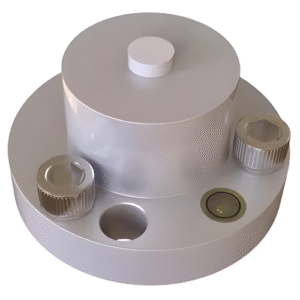
Optical & Imaging SensorsAccurate 0 to 4000 Range Silicon Photodetector Solar Pyranometer – Specimen Track
-
Product successfully added to the Quote List
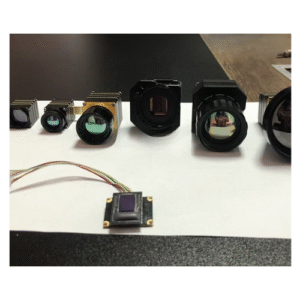
Optical & Imaging SensorsCompact Thermal Camera 640×480 Customizable Lenses Low Power – Specimen Track
-
Product successfully added to the Quote List
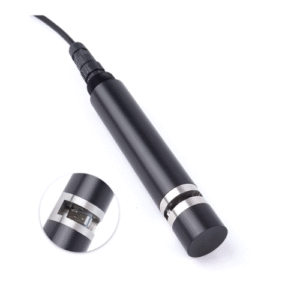
Optical & Imaging SensorsDual Light Source Sensor for COD and Turbidity with RS485 and MODBUS Output – Specimen Track
-
Product successfully added to the Quote List
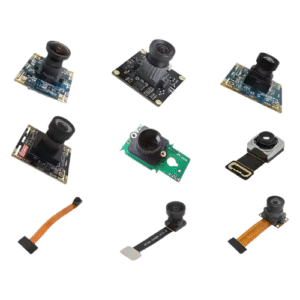
Optical & Imaging SensorsHigh Quality CMOS Camera Module for Imaging Vision Solutions – Specimen Track
-
Product successfully added to the Quote List
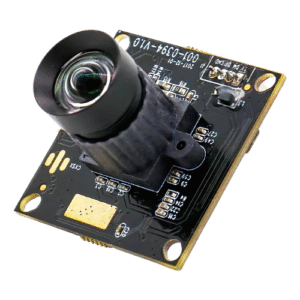
Optical & Imaging SensorsHigh Speed USB Webcam with 3.0μm Pixel Size and 1080P Resolution – Specimen Track
-
Product successfully added to the Quote List
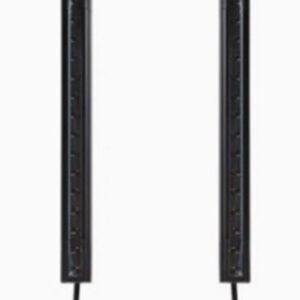
Optical & Imaging SensorsInfra Secure Light Curtain Beam Photo Sensor For Optimal Proximity Detection-Specimen Track
-
Product successfully added to the Quote List
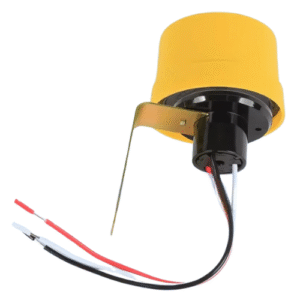
Optical & Imaging SensorsIP65 Digital Output Module for Street and Flood Light Systems – Specimen Track
-
Product successfully added to the Quote List
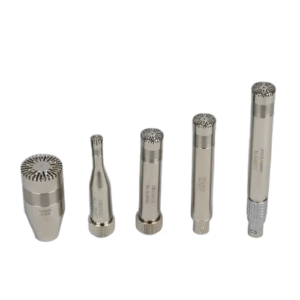
Optical & Imaging SensorsPrecision Acoustic Condenser Microphone Wide Frequency Range Sensor – Specimen Track