NB-IoT
NB-IoT for Long-Range, Low-Power Specimen Monitoring Systems
Narrowband IoT (NB-IoT) is a low-power wide-area network technology designed for reliable, long-range communication of small data packets across distributed environments. It operates within licensed cellular spectrum, ensuring stable connectivity in indoor, underground, and remote healthcare environments where traditional wireless signals struggle. This makes it highly suitable for medical sample tracking ecosystems that require continuous visibility, even in complex hospital infrastructures or logistics chains.
NB-IoT supports extended battery life, deep signal penetration, and scalable device deployment, making it ideal for tracking biological samples, lab specimens, and sensitive materials across facilities and transportation networks. It enables precise location updates, condition monitoring, and automated alerts, ensuring operational accuracy and compliance across regulated healthcare workflows.
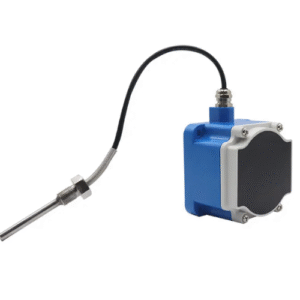
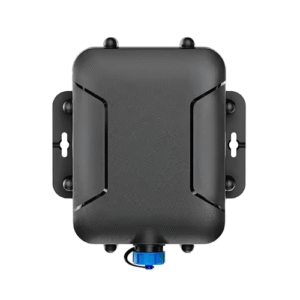
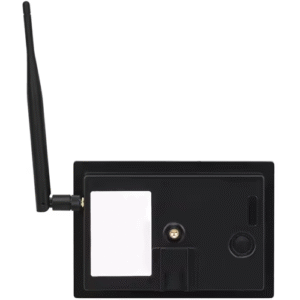
NB-IoT solutions designed for specimen lifecycle monitoring consist of specialized hardware modules and integrated sensor systems that communicate over cellular IoT infrastructure. These devices are engineered to transmit low-bandwidth, high-reliability data such as location coordinates, temperature, humidity, and handling status.
Core NB-IoT Product Types
- NB-IoT Tracking Tags
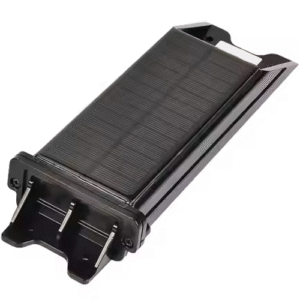
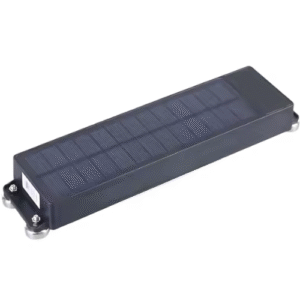
Compact, battery-operated devices attached to specimen containers for real-time location tracking and status reporting across healthcare environments. - Environmental Monitoring Sensors
Integrated NB-IoT-enabled sensors that measure temperature, humidity, and exposure conditions critical for specimen integrity. - NB-IoT Gateways
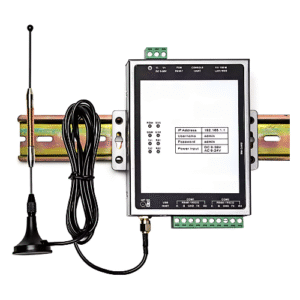
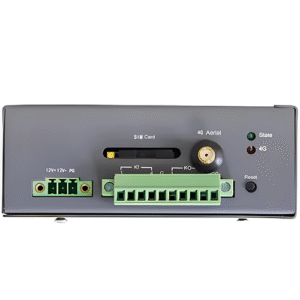
Intermediate communication devices used in hybrid deployments to aggregate data from short-range devices and transmit via cellular IoT networks. - Embedded NB-IoT Modules
Chip-level components integrated into medical storage systems, transport containers, or laboratory equipment for continuous connectivity. - Wearable or Portable Monitoring Units
Devices used by healthcare personnel to monitor specimen handling workflows and ensure chain-of-custody compliance.
Technical Definition
NB-IoT devices operate using narrowband radio channels within LTE spectrum bands, typically utilizing bandwidths of 180 kHz. These devices are optimized for low data throughput, high connection density, and minimal power consumption. Communication relies on simplified signaling protocols that reduce device complexity and extend operational life.
Specimen Track integrates these modules into comprehensive monitoring systems, ensuring consistent data transmission across long distances without requiring frequent maintenance or battery replacement.
NB-IoT-based systems support a range of advanced functionalities tailored for healthcare specimen tracking environments where reliability and precision are critical.
Core Functional Capabilities
- Deep Indoor Signal Penetration
Reliable connectivity inside hospitals, laboratories, cold storage units, and underground facilities where conventional wireless technologies fail. - Ultra-Low Power Consumption
Devices can operate for several years on a single battery due to power-saving modes such as PSM and eDRX. - Secure Cellular Communication
Uses licensed spectrum with built-in encryption and authentication mechanisms, reducing risks associated with data interception. - Scalable Device Connectivity
Supports thousands of connected devices per cell, enabling large-scale deployment across healthcare networks and logistics operations. - Real-Time Condition Monitoring
Continuous transmission of environmental data such as temperature and humidity ensures specimen viability during storage and transport. - Event-Based Alerts and Notifications
Automated alerts triggered by threshold breaches such as temperature excursions, unauthorized movement, or delayed transit. - Geolocation Capabilities
Combines cellular triangulation and optional GNSS support for accurate location tracking across wide geographic areas.
Configuration Options
- Custom Sampling Intervals
Adjustable data transmission frequency based on specimen sensitivity and operational requirements. - Firmware Over-the-Air Updates (FOTA)
Enables remote device updates without physical access, ensuring long-term adaptability. - Sensor Integration Flexibility
Supports integration with multiple sensor types including biochemical, thermal, and motion sensors. - Network Optimization Profiles
Configurable parameters for power consumption, latency, and coverage based on deployment scenarios. - Edge Data Processing
Local processing capabilities to filter and transmit only relevant data, reducing network load and improving efficiency.
Specimen Track applies rigorous quality assurance and continuous product refinement to ensure these capabilities perform reliably across real-world healthcare environments.
- Continuous monitoring of biological samples during long-distance transportation across hospitals, labs, and diagnostic centers using cellular IoT connectivity.
- Tracking temperature-sensitive specimens such as blood, vaccines, and tissue samples to maintain integrity throughout cold chain logistics operations.
- Monitoring specimen storage conditions in laboratory freezers, refrigerators, and controlled environments with automated alerts for deviations.
- Managing chain-of-custody for forensic samples by recording handling events and ensuring traceability across multiple stakeholders.
- Enabling remote visibility into specimen movement across multi-site healthcare networks to reduce loss and improve operational efficiency.
- Supporting clinical trials by tracking sample collection, storage conditions, and transport timelines across geographically distributed research sites.
- Monitoring specimen handling workflows within hospitals to identify bottlenecks and improve turnaround times for diagnostics.
- Ensuring compliance with regulatory requirements by maintaining accurate records of environmental conditions and handling history.
- Integrating with laboratory information systems to automate data capture and reduce manual entry errors in specimen management processes.
- Enhancing asset utilization by tracking reusable specimen containers and transport units across logistics cycles.
- FCC Part 15
- FCC Part 22
- FCC Part 24
- ISED Canada RSS-132
- ISED Canada RSS-133
- UL 62368-1
- CSA C22.2 No. 62368-1
- HIPAA Compliance (where applicable)
- ISO 13485
- ISO 14971
- IEC 60601-1 (where applicable)
- RoHS Directive
- REACH Compliance
Reliable Long-Range Connectivity
NB-IoT provides extended coverage compared to traditional cellular and short-range wireless technologies. This ensures uninterrupted communication across rural, urban, and indoor environments, including basements and shielded laboratory spaces.
Extended Device Lifespan
Power-saving mechanisms significantly reduce energy consumption, allowing devices to function for years without battery replacement. This reduces maintenance overhead and supports large-scale deployments.
High Network Stability
Operation within licensed spectrum minimizes interference from other wireless systems. This results in predictable performance, which is critical for medical and laboratory applications.
Optimized Data Transmission
NB-IoT is designed for low-bandwidth communication, making it efficient for transmitting essential monitoring data without unnecessary overhead.
Strong Security Framework
Cellular-grade security protocols provide encryption, authentication, and secure data transmission, ensuring compliance with healthcare data protection standards.
Cost-Efficient Scalability
Low device complexity and reduced power requirements contribute to lower total cost of ownership, especially for large deployments across healthcare networks.
Integration with Existing Infrastructure
NB-IoT systems can be integrated with hospital IT systems, laboratory platforms, and logistics management tools, enabling centralized monitoring and analytics.
Real-World Deployment Experience
Specimen Track has built a strong reputation across North America by delivering reliable specimen monitoring solutions that address practical challenges such as signal loss in dense hospital environments and maintaining consistent tracking during cross-border logistics operations.
Specimen Track has established itself as a trusted provider of IoT-enabled specimen monitoring systems, supported by ongoing research, product development, and a strict quality assurance process. Our solutions are engineered with input from healthcare professionals, system integrators, and IT teams to ensure practical usability in real-world environments.
Our growing presence across North America reflects our commitment to reliability, technical precision, and customer-focused support. We help organizations improve operational visibility, reduce specimen loss, and maintain compliance with regulatory standards.
Healthcare organizations, laboratories, and system integrators looking to deploy NB-IoT-enabled specimen monitoring systems can connect with our team for technical consultation, product selection, and deployment guidance. Explore how our solutions can support your operational goals by reaching out through our dedicated contact page at Contact Us, where our experts are available to assist with detailed inquiries and implementation strategies.
Showing 1–12 of 447 results
Product successfully added to the Quote List
Product successfully added to the Quote List
Product successfully added to the Quote List
Product successfully added to the Quote List
Product successfully added to the Quote List
Product successfully added to the Quote List
Product successfully added to the Quote List
Product successfully added to the Quote List
Product successfully added to the Quote List
Product successfully added to the Quote List
Product successfully added to the Quote List
Product successfully added to the Quote List