Cellular Networks
Cellular communication technologies provide wide area connectivity for devices that need reliable data transmission beyond local wireless networks. Laboratories, diagnostic facilities, and field collection teams increasingly rely on cellular enabled hardware to maintain visibility of biological samples while they move between collection points, storage locations, and testing facilities. These networks support real time device communication across cities, states, and remote environments without requiring local network infrastructure.
Modern cellular modules integrated into tracking devices enable remote monitoring of specimen containers, temperature conditions, location status, and chain of custody information. Health professionals benefit from continuous telemetry from mobile or distributed assets, allowing operations teams to identify delays, environmental risks, or handling errors quickly. Reliable cellular data links also enable automated logging, remote device diagnostics, and system alerts when abnormal transport conditions occur.
Organizations deploying connected specimen management systems require scalable communication frameworks that function across urban laboratories, rural collection centers, and mobile testing environments. Cellular networks support this requirement by providing broad geographic coverage, secure packet based communication, and compatibility with cloud based monitoring platforms used for laboratory logistics and sample lifecycle management.
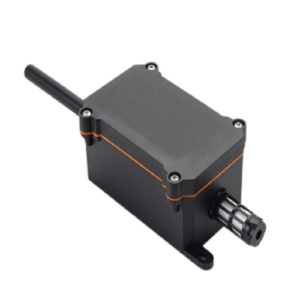
Cellular enabled hardware developed by Specimen Track supports reliable communication between tracking devices, gateways, and centralized monitoring platforms used in laboratory logistics operations.
Key functions include:
- Long distance data transmission for specimen tracking devices operating outside Wi Fi or local wireless infrastructure.
- Real time location reporting for mobile sample containers moving between hospitals, laboratories, and courier networks.
- Environmental monitoring data transmission including temperature, humidity, and shock measurements during specimen transport.
- Secure telemetry communication using SIM based authentication and encrypted cellular protocols.
- Automatic device registration and network provisioning for large scale deployments across healthcare systems.
- Event triggered alerts when specimen transport conditions exceed predefined thresholds.
- Integration with cloud platforms used to manage sample workflows and laboratory information systems.
- Remote device configuration, firmware updates, and diagnostics through cellular connectivity.
- Reliable connectivity in field collection environments such as mobile clinics or temporary testing stations.
- Automated chain of custody logging through timestamped cellular data transmissions.
Selection of cellular communication hardware for connected monitoring systems requires careful evaluation of technical characteristics that influence reliability, data throughput, and power consumption.
Important specifications include:
- Supported cellular bands and frequency compatibility for North American carriers.
- Network technology support such as LTE Cat M1, NB IoT, LTE, or future cellular standards.
- Data transmission rate capabilities depending on telemetry payload size.
- Device power consumption during idle, transmit, and sleep modes.
- SIM card support including embedded SIM or removable SIM configurations.
- Antenna performance characteristics and signal sensitivity in indoor laboratory environments.
- Network roaming capability across regional or international cellular providers.
- Operating temperature range for laboratory, refrigerated, and outdoor transport environments.
- Firmware security features including encryption and authentication mechanisms.
- Integration interfaces such as UART, USB, SPI, or embedded system APIs.
4G / LTE Connectivity for Specimen Transport Monitoring
Fourth generation cellular networks provide reliable broadband communication across large geographic areas. LTE based communication modules are widely deployed in IoT devices because they support high data transmission reliability and low latency. Specimen transport monitoring systems use LTE connectivity to transmit telemetry from temperature sensors, location tracking modules, and environmental monitoring devices during transport between laboratories.
LTE networks provide strong coverage across North America, making them suitable for hospital networks, diagnostic centers, and mobile collection services. Hardware developed by Specimen Track incorporates LTE communication modules capable of maintaining stable connections even when moving through dense urban areas or across long distance transport routes. LTE also supports firmware updates, remote diagnostics, and event driven alert systems for healthcare logistics operations.
6G Network Architecture and Future Monitoring Systems
Sixth generation cellular networks remain under active development and are expected to introduce extremely high bandwidth, ultra low latency communication, and advanced edge computing capabilities. Future specimen monitoring systems may benefit from the expanded device density and data processing capabilities expected in 6G network architectures.
Research initiatives in advanced wireless communication aim to support billions of connected devices operating simultaneously across large geographic regions. Healthcare monitoring environments that rely on distributed sensors, transport tracking devices, and remote diagnostic infrastructure could utilize these capabilities to process telemetry data in near real time. Specimen Track continuously evaluates emerging wireless technologies to ensure future monitoring platforms can integrate with evolving communication infrastructures as they become commercially available.
Cellular connectivity supports a wide range of laboratory logistics and specimen lifecycle monitoring scenarios:
- Monitoring biological sample transport vehicles across regional healthcare networks using GPS enabled cellular tracking hardware.
- Real time temperature monitoring for blood, vaccine, and tissue samples during long distance courier transport.
- Remote visibility of specimen containers moving between field collection sites and diagnostic laboratories.
- Tracking mobile diagnostic equipment used in rural healthcare outreach programs.
- Automated chain of custody logging for clinical samples handled by third party transport providers.
- Continuous monitoring of refrigerated storage units installed in mobile testing laboratories.
- Monitoring hazardous or bio sensitive samples requiring strict regulatory transport documentation.
- Supporting emergency medical response teams that transport samples from remote locations to urban laboratories.
- Monitoring specimen storage units located in temporary research facilities or field laboratories.
- FCC Part 15 Certification
- FCC Equipment Authorization
- PTCRB Cellular Module Certification
- UL Safety Certification
- CSA Electrical Certification
- ICES 003 Canada Compliance
- ISED Radio Equipment Certification
- HIPAA Data Protection Requirements
- NIST Cybersecurity Framework
| Capability Factor | LTE / 4G Networks | Future 6G Networks | Legacy Cellular Systems |
| Network Availability | Widely deployed across North America | Under development | Gradually being retired |
| Data Transmission Speed | High throughput suitable for telemetry and firmware updates | Expected ultra high data rates | Limited throughput |
| Latency Performance | Low latency suitable for real time alerts | Expected near real time processing | Higher latency |
| Device Density Support | Supports large scale IoT deployments | Designed for extremely high device density | Limited scalability |
| Infrastructure Coverage | Extensive carrier network coverage | Future infrastructure rollout required | Declining network support |
| Power Efficiency | Optimized for IoT device operation | Expected improvements through advanced protocols | Higher power consumption |
| Long Term Viability | Strong near term and medium term reliability | Long term future communication architecture | Becoming obsolete |
Industrial and healthcare environments require communication hardware that functions reliably across diverse operating conditions. Cellular enabled monitoring systems often operate in refrigerated storage units, medical transport vehicles, and field collection environments where environmental conditions vary significantly.
Hardware installed inside specimen transport containers must operate efficiently under limited battery power. Engineers frequently design monitoring devices with low power communication intervals that transmit telemetry only when required or when abnormal conditions are detected. This approach allows long operational life without frequent battery replacement.
Mobility requirements also influence hardware selection. Transport containers, mobile laboratories, and courier vehicles move across multiple network coverage areas. Cellular hardware must support automatic network handoffs while maintaining reliable data transmission.
Data management architecture represents another operational factor. Monitoring devices typically transmit telemetry to centralized cloud platforms where laboratory information systems or logistics management software analyze environmental conditions, transport timelines, and chain of custody records. Data encryption and secure device authentication play a critical role in protecting sensitive medical information throughout this communication process.
Specimen Track hardware platforms are engineered to operate within these operational constraints while supporting scalable deployments across healthcare logistics networks.
Cellular communication technology provides several operational benefits for organizations responsible for managing biological sample logistics.
- Wide geographic coverage allowing monitoring across regional healthcare systems and national transport routes.
- Reliable data transmission in environments where Wi Fi or local wireless infrastructure is unavailable.
- SIM based authentication supporting secure communication between devices and monitoring platforms.
- Scalability for large deployments across hospital networks and laboratory transport fleets.
- Compatibility with cloud based monitoring platforms used for data analytics and regulatory documentation.
- Continuous telemetry availability during long distance transport operations.
- Remote device management capabilities supporting firmware updates and system diagnostics.
Growing B2B adoption across North America reflects the reliability and technical maturity of cellular communication infrastructure for distributed monitoring systems. Through continuous product development and rigorous quality assurance practices, Specimen Track has established a reputation for delivering dependable monitoring technologies that help organizations improve operational visibility and regulatory compliance.
How does cellular communication improve specimen transport monitoring?
Cellular connectivity allows tracking devices to transmit environmental and location data from transport containers regardless of their geographic location. Monitoring continues even when moving between facilities or across long transport routes.
What type of cellular networks are commonly used in monitoring devices?
Most monitoring hardware uses LTE or LTE Cat M technologies because they provide reliable connectivity with moderate power consumption suitable for battery operated devices.
Do cellular monitoring devices require SIM cards?
Many devices use removable or embedded SIM modules for authentication with mobile network operators. Embedded SIM technology simplifies device deployment for large installations.
Can cellular monitoring systems operate in remote field locations?
Network coverage determines operational capability. Many cellular carriers provide extensive rural coverage, allowing monitoring devices to function in mobile clinics, research sites, and rural healthcare programs.
How secure is cellular communication for transmitting laboratory data?
Cellular networks use encryption protocols, SIM authentication, and secure data channels. Additional application level encryption can further protect sensitive healthcare information.
What happens when a device temporarily loses cellular coverage?
Monitoring devices typically store telemetry data locally and transmit the stored data when connectivity is restored. This ensures continuity of chain of custody and environmental records.
Are cellular modules compatible with cloud monitoring platforms?
Most cellular monitoring devices transmit data using standard communication protocols such as MQTT or HTTPS, allowing integration with cloud based monitoring infrastructure.
Organizations seeking reliable connectivity for distributed specimen monitoring systems often require guidance when selecting communication hardware and integration architectures. Specimen Track works closely with laboratories, healthcare providers, and system integrators to design monitoring solutions that align with operational requirements and regulatory expectations.
Technical specialists are available to assist with product evaluation, deployment planning, and integration with laboratory monitoring platforms. For product details, technical consultation, or deployment guidance, please contact the Specimen Track team to discuss your operational requirements.
Showing 205–216 of 220 results
-
Product successfully added to the Quote List
-
Product successfully added to the Quote List
-
Product successfully added to the Quote List
-
Product successfully added to the Quote List
-
Product successfully added to the Quote List
-
Product successfully added to the Quote List
-
Product successfully added to the Quote List
-
Product successfully added to the Quote List
-
Product successfully added to the Quote List
-
Product successfully added to the Quote List
-
Product successfully added to the Quote List
-
Product successfully added to the Quote List