Edge Computing Devices
Edge computing devices enable localized data processing close to where information is generated, reducing dependence on centralized systems and improving response times for operational workflows. Within laboratory logistics and medical sample monitoring environments, edge-based processing units collect, filter, and process sensor data directly at the network edge before transmitting essential information to centralized platforms. This architecture supports reliable monitoring of specimen conditions, movement, and handling across distributed facilities.
Edge processing hardware such as gateways, industrial computing platforms, and embedded control units allows healthcare laboratories and diagnostic networks to manage specimen transport, storage, and workflow monitoring with greater operational resilience. These devices aggregate data from tracking sensors, temperature monitors, RFID readers, and other connected instrumentation to maintain visibility throughout the sample lifecycle.
Specimen Track develops edge processing hardware designed to support distributed specimen intelligence infrastructure across laboratories, hospitals, and logistics networks where stable data processing and reliable device integration are essential.
Edge computing hardware performs multiple operational roles within specimen monitoring environments where real-time awareness and device coordination are required.
Data Collection from Connected Monitoring Devices
- Aggregates information from RFID readers, BLE trackers, temperature sensors, barcode scanners, and environmental monitoring instruments.
Local Data Processing and Filtering
- Performs real-time preprocessing of sensor streams to identify anomalies, validate data integrity, and reduce unnecessary network traffic.
Device Integration and Protocol Translation
- Supports communication across heterogeneous hardware using protocols such as MQTT, Modbus, OPC-UA, and REST-based APIs.
Real-Time Alert Generation
- Triggers alerts when specimen temperature thresholds, transport delays, or storage conditions deviate from defined operational limits.
Secure Edge-to-Cloud Data Transmission
- Transfers processed operational data to centralized data platforms while maintaining encrypted communications and device authentication.
Workflow Automation at Local Nodes
- Enables automated actions such as scanner-triggered sample logging, chain-of-custody updates, and automated storage monitoring.
Offline Operational Continuity
- Maintains local operation during network outages and synchronizes data with central systems once connectivity is restored.
Although originally developed for environmental monitoring environments, specification criteria used in air quality instrumentation offer useful parallels when evaluating distributed monitoring devices used for specimen management networks.
Processing Architecture
- CPU type, memory capacity, and hardware acceleration capabilities influence data handling efficiency for multi-sensor deployments.
Input and Output Interfaces
- Support for industrial interfaces such as USB, RS-232, RS-485, Ethernet, GPIO, and fieldbus protocols enables integration with laboratory equipment.
Environmental Operating Range
- Temperature tolerance, humidity resistance, and enclosure ratings determine device suitability for laboratory storage rooms, transport hubs, and refrigerated facilities.
Data Buffering Capacity
- Internal storage and buffering capabilities support data retention during connectivity interruptions.
Connectivity Options
- Wired Ethernet, cellular modules, WiFi, and industrial wireless protocols support various deployment scenarios.
Security and Device Authentication
- Secure boot, hardware encryption modules, and device identity management improve protection of regulated laboratory data.
Power Supply Flexibility
- Support for AC, DC, and battery operation expands installation options across mobile and fixed monitoring environments.
Edge Gateways for Specimen Monitoring Networks
Edge gateways function as the primary integration point between distributed monitoring devices and centralized laboratory information systems. These hardware units collect data from multiple sensor sources such as temperature probes, RFID readers, location beacons, and barcode scanners deployed throughout healthcare environments. Integrated protocol translation capabilities allow communication between legacy laboratory devices and modern cloud-based data systems.
Edge gateways also perform real-time filtering and preprocessing of data before forwarding relevant information to enterprise platforms. Local buffering protects critical operational records when network connectivity becomes temporarily unavailable. Specimen Track edge gateways support scalable deployments where laboratories require coordinated monitoring across storage facilities, specimen transport corridors, and regional diagnostic centers.
Industrial PCs for Laboratory Data Processing
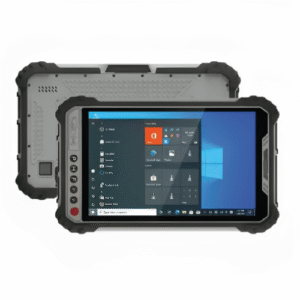
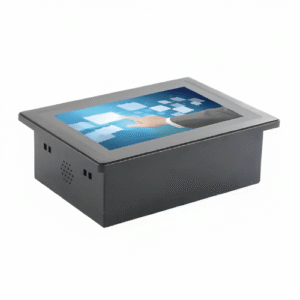
Industrial PCs provide high-performance computing platforms designed to support intensive data analysis tasks at the network edge. These rugged computing systems operate reliably within laboratory infrastructure environments that require constant data processing from numerous monitoring devices.
Industrial PCs deployed in specimen logistics systems manage complex workloads such as RFID event processing, multi-device synchronization, and integration with laboratory information management systems. These computing platforms support large data streams generated by automated sample handling systems and transport monitoring equipment.
Specimen Track industrial computing platforms are engineered to support scalable specimen monitoring networks where computational resources must remain available for continuous operational data analysis across laboratory infrastructure.
Embedded Controllers for Automated Monitoring Systems
Embedded controllers deliver dedicated processing capabilities for specific specimen monitoring functions within distributed healthcare environments. These compact control units integrate directly with instrumentation used in specimen storage, sample transport equipment, and automated diagnostic workflows.
Embedded control hardware enables localized monitoring of temperature-sensitive specimen storage units, refrigeration systems, and mobile transport containers. Integrated sensor interfaces allow continuous monitoring of environmental conditions while maintaining compact system design suitable for equipment-level integration.
Specimen Track embedded controllers provide deterministic control performance for mission-critical monitoring tasks that support regulated specimen management operations across laboratories and diagnostic facilities.
Edge computing devices support multiple operational environments where distributed sample visibility and environmental monitoring are required.
- Hospital laboratory networks monitoring sample movement and temperature conditions during intra-facility specimen transport.
- Diagnostic testing centers tracking specimen arrival, storage conditions, and chain-of-custody verification for clinical testing workflows.
- Medical courier networks collecting transport environment data for biological sample shipments between healthcare facilities.
- Biopharmaceutical research laboratories monitoring specimen storage freezers and refrigerated storage units for temperature-sensitive materials.
- Regional pathology labs coordinating specimen routing and condition monitoring across multiple collection locations.
- Public health laboratories monitoring diagnostic sample logistics during infectious disease surveillance operations.
- Environmental health laboratories tracking field sample collection and transport conditions prior to laboratory analysis.
- Academic research institutions monitoring biological specimen inventories stored across distributed research facilities.
- FDA 21 CFR Part 11
- HIPAA Security Rule
- ISO 13485
- ISO 15189
- CLIA Laboratory Regulations
- UL 61010 Safety Standard
- CSA C22.2 Electrical Safety Standards
- FCC Part 15 Compliance
- ICES-003 (Canada)
- NIST Cybersecurity Framework
| Capability Area | Edge Gateways | Industrial PCs | Embedded Controllers |
| Primary Role | Data aggregation and protocol translation | High-performance edge data processing | Dedicated device-level monitoring control |
| Processing Capacity | Moderate | High | Low to moderate |
| Sensor Integration | Multi-sensor support | Extensive integration capability | Focused integration |
| Deployment Scale | Network infrastructure nodes | Central processing nodes | Equipment-level installations |
| Storage Capacity | Moderate | High | Limited |
| Automation Support | Event-based automation | Complex analytics workloads | Deterministic device control |
| Typical Deployment Location | Facility network hubs | Laboratory server rooms | Equipment enclosures |
Deployment of edge processing hardware within specimen monitoring environments requires evaluation of several operational conditions that influence device performance and reliability.
Environmental operating conditions vary across laboratories, transport vehicles, refrigerated storage facilities, and logistics hubs. Edge computing hardware must tolerate temperature fluctuations, humidity variations, and electrical noise commonly encountered in these environments. Rugged enclosures and appropriate ingress protection ratings help maintain device reliability.
Mobility requirements may affect hardware selection when monitoring equipment is installed within transport containers, field collection units, or mobile laboratory vehicles. Compact embedded controllers and low-power gateways often support these scenarios.
Power availability differs depending on installation environments. Fixed laboratory installations typically provide continuous AC power, while mobile monitoring systems may rely on battery-backed or DC power sources.
Data handling strategies also influence device configuration. Some deployments emphasize continuous real-time streaming of monitoring data to central systems. Other installations prioritize local data buffering with scheduled synchronization to support intermittent network connectivity.
Specimen Track works closely with laboratories and system integrators to determine appropriate hardware architecture based on deployment scale, environmental conditions, and operational monitoring objectives.
Edge computing infrastructure designed by Specimen Track provides multiple operational advantages for organizations implementing distributed specimen monitoring systems.
- Local data processing reduces network dependency while enabling faster response to specimen condition changes.
- Distributed architecture improves operational resilience during connectivity interruptions or centralized system maintenance.
- Protocol interoperability supports integration with legacy laboratory equipment alongside modern sensor technologies.
- Secure device authentication and encrypted communications support regulated healthcare data environments.
- Scalable deployment models allow healthcare organizations to expand monitoring networks as operational requirements evolve.
- Local automation capabilities enable immediate response to environmental deviations affecting sensitive biological samples.
Specimen Track has rapidly developed a reputation as a trusted provider of intelligent specimen monitoring solutions. Organizations across North America rely on our expertise, engineering focus, and quality-driven product development to implement reliable monitoring infrastructure. Continuous innovation, rigorous testing processes, and strong technical support allow us to help laboratories improve operational visibility and maintain regulatory compliance within complex diagnostic workflows.
What role do edge computing devices play in specimen monitoring systems?
Edge computing hardware processes sensor and tracking data locally, allowing specimen monitoring networks to operate with lower latency and improved reliability compared with centralized-only architectures.
Why is local data processing important for specimen logistics?
Local processing enables immediate detection of temperature deviations, transport delays, or handling irregularities before data reaches central systems.
Can edge devices integrate with existing laboratory systems?
Most edge computing hardware supports standard industrial communication protocols that allow integration with laboratory information management systems and legacy instrumentation.
How do edge devices maintain operation during network interruptions?
Local storage buffers data until connectivity returns, allowing continuous monitoring while preventing loss of operational records.
What security features are required for healthcare deployments?
Healthcare deployments typically require encrypted communications, secure boot mechanisms, hardware-based authentication, and compliance with healthcare data protection standards.
Are industrial PCs necessary for all deployments?
Industrial PCs are typically deployed when high computational workloads are required. Smaller monitoring networks often operate effectively with gateways and embedded controllers.
What factors influence edge device placement in laboratory networks?
Placement depends on sensor density, network topology, power availability, environmental conditions, and integration requirements with laboratory equipment.
Organizations planning distributed specimen monitoring systems often require specialized guidance when selecting appropriate edge processing hardware and integration strategies. Technical teams at Specimen Track work directly with laboratories, healthcare networks, and system integrators to design reliable monitoring infrastructure tailored to operational requirements.
For detailed product specifications, deployment consultation, or integration support, organizations can reach out through the Specimen Track support team by visiting the Specimen Track contact page at
https://specimentrack.com/contact/
Our engineering specialists assist with device selection, system architecture planning, and deployment guidance for organizations operating across the United States, Canada, and international healthcare environments.
Showing 37–48 of 64 results
-
Product successfully added to the Quote List
-
Product successfully added to the Quote List
-
Product successfully added to the Quote List
-
Product successfully added to the Quote List
-
Product successfully added to the Quote List
-
Product successfully added to the Quote List
-
Product successfully added to the Quote List
-
Product successfully added to the Quote List
-
Product successfully added to the Quote List
-
Product successfully added to the Quote List
-
Product successfully added to the Quote List
-
Product successfully added to the Quote List