Overview of Automated Irrigation Using LoRaWAN
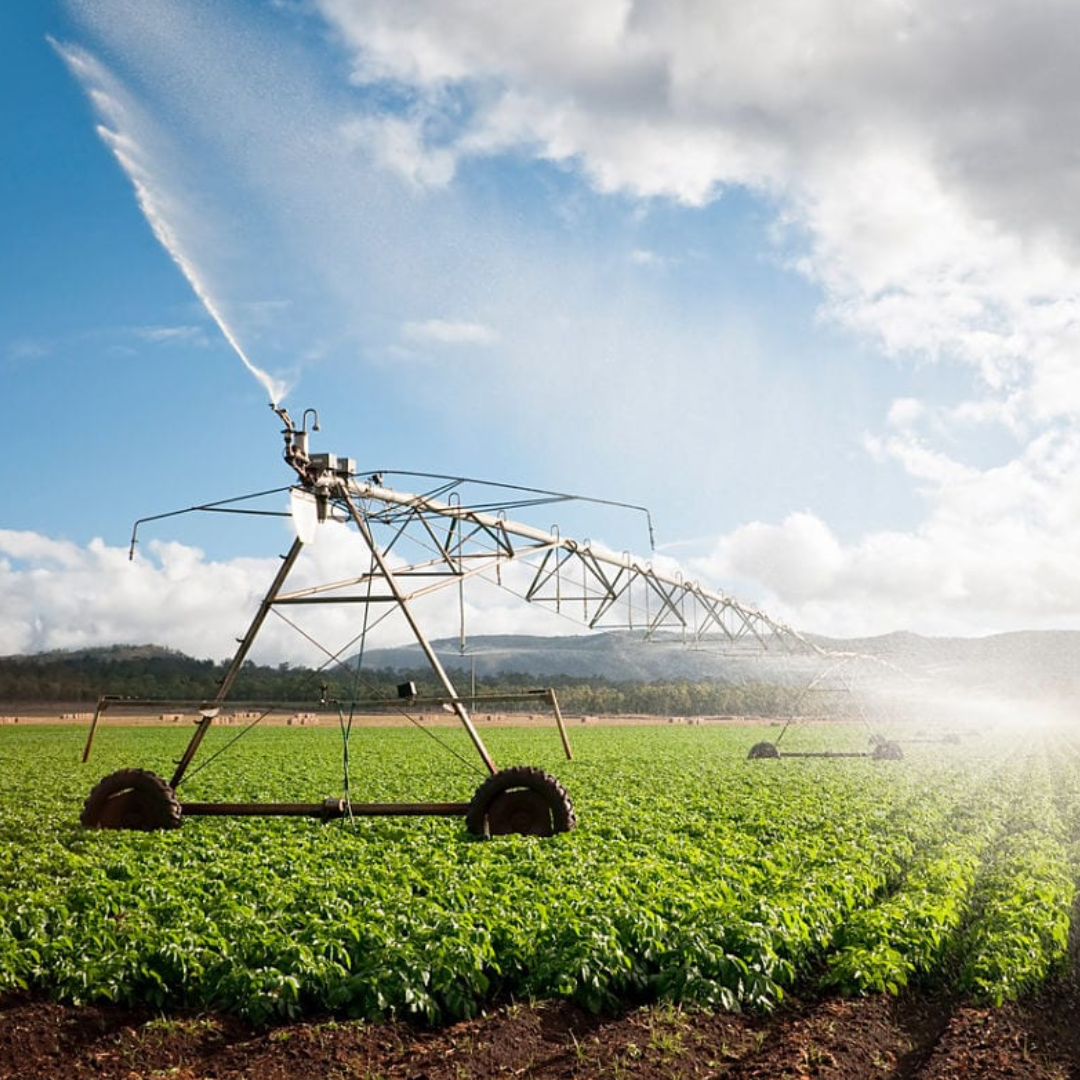
Automated irrigation systems utilizing LoRaWAN(Long Range Wide Area Network) represent a significant advancement in agricultural technology. These systems leverage LoRaWAN’s low power, long-range communication capabilities to monitor soil moisture levels, weather conditions, and crop health in real time. By integrating sensors and controllers with a LoRaWANnetwork, the system can automatically adjust water distribution, ensuring optimal hydration without manual intervention. This precision reduces water waste, enhances crop yields, and allows farmers to manage irrigation remotely. The scalability of LoRaWANenables coverage over large agricultural fields, making it ideal for modern smart farming practices. Such automated systems are crucial in conserving resources while maintaining efficient and sustainable agricultural operations.
Applications in Automated Irrigation Using LoRaWAN
- Real-time data analytics for water usage
- Integration with farm management software
- Zone-based irrigation control
- Automated drought response systems
- Remote system maintenance
- Soil nutrient level monitoring
- Predictive irrigation scheduling
- Irrigation system performance monitoring
- Integration with solar-powered irrigation systems
- Evapotranspiration-based irrigation adjustment
- Water pressure monitoring
- Automated flood control
- Frost protection activation
- Irrigation pump control
- Groundwater level monitoring
- Integration with weather forecasting services
- Crop-specific irrigation management
- Remote system calibration
- Wireless sensor network management
- Integration with IoT platforms
- Automated alerts for maintenance needs
- Environmental impact tracking
- Remote access via mobile devices
- Multi-farm irrigation management
- Data-driven irrigation optimization
- Crop rotation planning integration
- Integration with smart greenhouses
- Climate-adaptive irrigation scheduling
- Automated irrigation based on crop growth stages
- Customizable irrigation zones
- Real-time sensor data visualization
- Historical data analysis for irrigation patterns
- Integration with rainwater harvesting systems
- Automatic shut-off in case of rain detection
- Integration with pest control systems
Technical Specifications of GAO Tek Automated Irrigation Using BLE or RFID
LoRaWANend devices in Automated Irrigation systems
In Automated Irrigation systems, LoRaWANend devices are integral for monitoring and controlling irrigation processes. These devices, which include sensors and actuators, are strategically positioned throughout the agricultural field. Sensors are embedded in the soil to measure crucial parameters such as moisture levels, temperature, and nutrient content. They are placed at various depths and locations to ensure accurate and comprehensive data collection. Additionally, environmental sensors may be mounted on poles or weather stations to track conditions like humidity, rainfall, and wind speed.
Actuators are connected to the irrigation infrastructure, such as pipelines and sprinklers. These devices are responsible for controlling the flow of water by opening or closing valves, adjusting water pressure, or activating pumps based on the data collected by the sensors. This setup allows for precise water delivery to different field zones, optimizing water use and enhancing crop health.
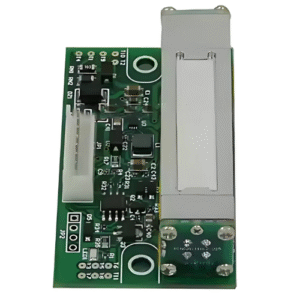
Each LoRaWANend device is equipped with a LoRa module, which enables long-range, low-power communication with a central gateway. The gateway gathers data from the sensors and transmits it to a cloud-based platform for analysis. Based on this analysis, the system can issue commands to the actuators, automating the irrigation process. By effectively deploying and integrating LoRaWANend devices, Automated Irrigation systems achieve efficient water management, reduced manual labor, and improved agricultural productivity.
LoRaWAN Gateways in Automated Irrigation
In Automated Irrigation systems, LoRaWANgateways are essential for connecting field sensors with central data management platforms. These gateways are typically installed in elevated positions to maximize their range and signal reception. Common installation locations include the tops of utility poles, dedicated mounting structures, or on buildings like farmhouses or greenhouses. The goal is to ensure an unobstructed line of sight to the sensors distributed across the field, which enhances signal quality and connectivity.
Gateways are mounted on weather-resistant platforms to protect them from environmental conditions. They are equipped with antennas designed for long-range communication and are connected to power sources, which can be conventional electricity or solar power depending on the location.
Each gateway collects data from LoRaWANsensors and actuators within its range and transmits this data to a cloud-based server or local control centre. This data is then analysed to manage irrigation schedules and respond to changing environmental conditions. Proper installation and configuration of LoRaWANgateways are crucial for achieving reliable data transmission, effective remote control, and optimal performance of the Automated Irrigation system.
Cloud Systems
GAO LoRaWANCloud Systems consist of the following parts:
GAO LoRaWAN Gateways and End Devices
- LORAWAN
- LoRaWAN Gateways
- LoRaWAN End Devices
- LoRaWAN Accessories
- LoRaWAN- Cloud, Server, PC & Mobile Systems
- LoRaWAN Resources
- LoRaWAN Systems
GAO LoRaWAN Cloud Services Engine
Cloud Infrastructure, LoRaWAN Middleware, Data Analytics and Business Intelligence, and Security Measures.
Integration APIs
APIs enable seamless integration between the LoRaWAN solution and existing automated irrigation systems such as POS, inventory management, and e-commerce platforms, allowing for data exchange and synchronization.
Server, PC & Mobile Systems
GAO Server, PC & Mobile LoRaWANSystems are composed of
LoRaWAN Gateways and LoRaWAN End Devices
GAO Server, PC & Mobile Software Engine LoRaWAN
Servers, PCs, Mobile Computing Devices and Infrastructure, Middleware Software, and Database Management System.
Integration with Automated Irrigation Systems
The server, PC and mobile solution integrates with existing automated irrigation systems such as inventory management, asset management, point-of-sale (POS), and enterprise resource planning (ERP) systems. Integration is achieved through APIs, database connections, or middleware adapters, enabling seamless data exchange and synchronization.