Overview of Greenhouse Gas Monitoring Using LoRaWAN
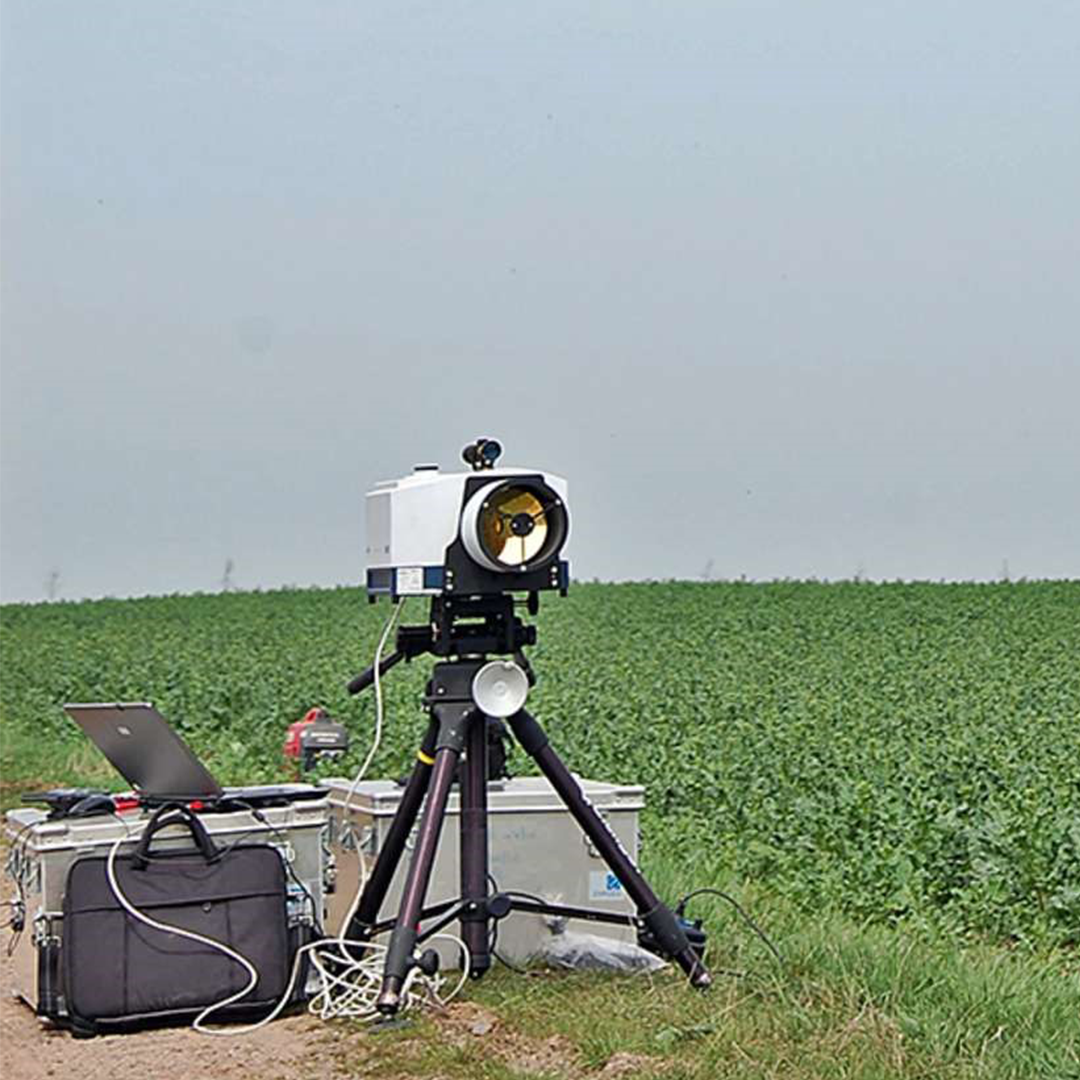
Greenhouse gas monitoring leverages LoRaWAN (Long Range Wide Area Network) to enhance environmental sustainability by enabling real-time data collection from various sensors measuring gas concentrations. LoRaWAN, renowned for its low power consumption and long-range communication capabilities, is ideal for tracking greenhouse gases like CO2, methane, and nitrous oxide over large areas. In greenhouse gas monitoring, LoRaWAN-based systems facilitate the integration of IoT devices that transmit data to centralized platforms, enabling researchers and policymakers to make data-driven decisions on emission reductions and climate strategies. This wireless technology is vital for deploying sensors in remote or difficult-to-reach locations, ensuring continuous, cost-effective monitoring, and ultimately contributing to reduced greenhouse gas emissions and improved environmental management.
Applications in Greenhouse Gas Monitoring Using LoRaWAN
- Carbon dioxide concentration monitoring
- Methane emission tracking
- Automated air quality control
- Pollutant detection
- Industrial emission monitoring
- Weather station integration for emissions
- Temperature influence on gas emissions
- Emission source identification
- Precision emission reduction
- Greenhouse gas sequestration tracking
- Remote sensor monitoring
- Vehicle emission monitoring
- Targeted pollutant filtration
- Flood-related emission tracking
- Water quality and emission monitoring
- Emission monitoring during harvesting
- Decay-related gas monitoring
- Temperature correlation with gas release
- Soil carbon monitoring
- Cold weather emission spikes
- Automated emission scheduling
- Detection of gas-related disease vectors
- Emission mapping
- Pollutant source identification
- Remote environmental monitoring
- Nutrient-induced gas emission monitoring
- Air quality monitoring
- Precision planting for carbon sequestration
- Emission levels during crop maturity
- Health monitoring of livestock related to emissions
Technical Specifications of GAO Tek Greenhouse Gas Monitoring Using LoRaWAN
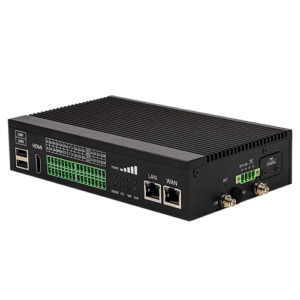
LoRaWAN end devices in Greenhouse Gas Monitoring Systems
In greenhouse gas monitoring, LoRaWAN end devices are essential for collecting and transmitting data from various sensors deployed across diverse environments. These devices are commonly connected to gas concentration sensors, such as those for carbon dioxide, methane, and nitrous oxide, which are strategically placed in areas of interest. This setup enables continuous monitoring of greenhouse gas levels, providing critical data for assessing emission sources and effectiveness of mitigation strategies. Additionally, LoRaWAN devices are installed on weather stations to gather information on temperature, humidity, wind speed, and atmospheric pressure. This meteorological data is vital for understanding how weather patterns influence gas dispersion and concentration.
For emissions monitoring, LoRaWAN devices are either mounted on drones or fixed at ground level, supporting sensors that track gas emissions from industrial sites, agricultural fields, and wetlands. These sensors can detect fluctuations in greenhouse gas levels, allowing for early identification of emission spikes and the implementation of corrective measures. In industrial settings, LoRaWAN end devices are integrated into equipment and pipelines to monitor leaks, operational efficiency, and emissions. This capability enhances environmental compliance and reduces greenhouse gas emissions.
LoRaWAN devices are also utilized in monitoring natural ecosystems, where they track soil carbon levels, decomposition rates, and gas fluxes in forests and peatlands. This integration supports carbon sequestration studies and helps in the assessment of ecosystem health. The adaptability and robustness of LoRaWAN end devices make them indispensable in greenhouse gas monitoring, enabling comprehensive, real-time data collection that informs climate action strategies and contributes to environmental sustainability.
LoRaWAN Gateways in Greenhouse Gas Monitoring Systems
In greenhouse gas monitoring, LoRaWAN gateways are strategically installed to ensure robust, long-range communication between various end devices and central data management systems. These gateways are typically placed in elevated positions, such as on poles, towers, or building rooftops, to maximize their line of sight and coverage area. Proper placement is crucial as it ensures that the low-power signals from LoRaWAN end devices, which may be dispersed across large monitoring areas, are effectively captured and relayed to the network server. The elevation and unobstructed positioning of these gateways help overcome challenges posed by varied terrains and environmental conditions in monitoring sites.
The number and distribution of LoRaWAN gateways in greenhouse gas monitoring systems depend on the size of the area to be covered and the density of the sensors deployed. In expansive or densely instrumented areas, multiple gateways may be required to ensure seamless coverage and redundancy, which is essential for maintaining continuous communication in the event of a gateway failure.
These gateways are often equipped with solar panels and battery backups to ensure uninterrupted operation in remote or off-grid locations. By efficiently capturing and transmitting data from various gas sensors and monitoring devices, LoRaWAN gateways play a critical role in enabling real-time monitoring, informed decision-making, and overall effectiveness in greenhouse gas monitoring systems.
Cloud Systems
GAO LoRaWAN Cloud Systems consist of the following parts:
GAO LoRaWAN gateways and end devices
- LORAWAN
- LoRaWAN Gateways
- LoRaWAN End Devices
- LoRaWAN Accessories
- LoRaWan – Cloud, Server, PC & Mobile Systems
- LoRaWAN Resources
- LoRaWAN Systems
GAO LoraWAN Cloud Services Engine
Cloud Infrastructure, LoraWAN Middleware, Data Analytics and Business Intelligence, and Security Measures.
Integration APIs
enable seamless integration between the LoraWan solution and existing precision agriculture systems such as POS, inventory management, and e-commerce platforms, allowing for data exchange and synchronization.
Server, PC & Mobile Systems
GAO Server, PC & Mobile LoRaWAN Systems are composed of
LoRaWAN Gateways and LoRaWAN End Devices
GAO Server, PC & Mobile Software Engine LoRaWAN
Servers, PCs, Mobile Computing Devices and Infrastructure, Middleware Software, and Database Management System.
Integration with Greenhouse Gas Monitoring Systems
The server, PC, and mobile solution integrates with existing greenhouse gas monitoring systems such as inventory management, asset management, point-of-sale (POS), and enterprise resource planning (ERP) systems. Integration is achieved through APIs, database connections, or middleware adapters, enabling seamless data exchange and synchronization.