Overview of Waste Management Using LoRaWAN
LoRaWAN (Long Range Wide Area Network) is increasingly being adopted in waste management systems due to its low power consumption and long-range capabilities. This wireless communication protocol enables the real-time monitoring of waste containers, allowing for more efficient collection routes and reducing operational costs. Sensors installed in waste bins transmit data on fill levels, temperatures, and potential hazards to a central system via LoRaWAN gateways. This approach enhances resource allocation and minimizes environmental impact by reducing the frequency of collection trips. Additionally, the scalability and flexibility of LoRaWAN make it suitable for both urban and rural waste management applications, where traditional communication networks may be less effective. LoRaWAN offers a cost-effective and reliable solution for modernizing waste disposal systems.
Applications in Waste Management Using LoRaWAN
- Waste container tracking
- Real-time waste level monitoring
- Automated waste collection scheduling
- Asset tracking in waste management
- Identification of waste types
- Waste bin location tracking
- Waste collection route optimization
- Inventory management of waste containers
- Hazardous waste monitoring
- Waste disposal verification
- RFID-tagged waste bins
- Fleet management for waste collection vehicles
- Waste audit tracking
- Monitoring illegal dumping
- Smart waste bin systems
- Data analytics for waste management
- Waste-to-energy tracking
- Waste recycling process monitoring
- Waste management compliance tracking
- Smart city waste management integration
- Remote monitoring of landfill operations
- RFID-based waste segregation
- BLE-enabled waste bin alerts
- Recycling bin tracking
- Commercial waste management automation
- Municipal waste tracking
- Waste transport documentation
- RFID for hazardous waste labeling
- Industrial waste management automation
- Waste bin usage statistics
- Inventory tracking in recycling plants
- Waste collection accountability
- RFID-enabled waste container maintenance
- BLE-based waste bin occupancy alerts
- Smart dumpster systems
- Waste management resource allocation
- Waste sorting verification
- Radio-tracking of wasposal
- Waste lifecycle management
- RFID in waste bin recycling credits
- BLE-driven landfill monitoring
- Municipal waste audit automation
- Automated waste container inventory
- Waste-to-reuse monitoring
- RFID-based waste bin theft prevention
- Recycling process tracking
- Waste bin contamination monitoring
- Data-driven waste management strategies
- RFID for compost bin management
- BLE-powered waste management dashboards
Technical Specifications of GAO Tek Waste Management Using LoRaWAN
LoRaWAN end devices in Waste Management Systems
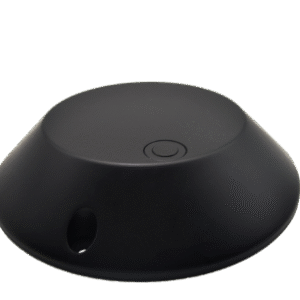
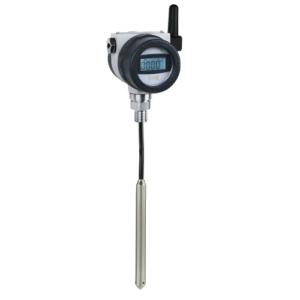
In waste management systems, LoRaWAN end devices are strategically attached to various points within the waste collection, processing, and disposal infrastructure to enable real-time monitoring and data transmission. These devices are typically integrated into waste bins, dumpsters, and compactors to monitor fill levels, temperatures, and the presence of hazardous materials. By attaching sensors directly to waste containers, the system can relay crucial data to central management platforms, optimizing collection schedules and reducing operational inefficiencies.
End devices are also deployed in waste management vehicles to track their locations, monitor route efficiency, and ensure timely waste collection. In landfills, LoRaWAN devices can be used to monitor environmental parameters such as leachate levels, gas emissions, and soil conditions, providing essential data for regulatory compliance and environmental protection. Additionally, these devices can be attached to equipment used in waste processing plants, such as incinerators and recycling machines, to monitor operational status and detect any anomalies that could lead to system failures or safety hazards.
LoRaWAN Gateways in Waste Management Systems
In waste management systems, LoRaWAN gateways play a crucial role in bridging the communication between end devices and the central management platform. These gateways are strategically installed to ensure optimal coverage and reliable data transmission across the waste management network. Typically, LoRaWAN gateways are mounted on high structures such as utility poles, rooftops, or dedicated towers to maximize their range and minimize signal interference. This elevated positioning is essential in urban areas where buildings and other obstructions could disrupt wireless communication.
In large-scale waste management operations, multiple gateways are often deployed across a wide area to ensure continuous connectivity. For instance, in a city-wide waste management system, gateways might be positioned at key points such as waste transfer stations, recycling facilities, and landfill sites. By placing these gateways near high-traffic waste management zones, the system ensures that data from all end devices, such as sensors on waste bins or monitoring equipment in processing plants, is efficiently collected and transmitted.
In rural or industrial settings, where waste management operations may be spread over vast areas, LoRaWAN gateways can be installed on existing infrastructure such as water towers or communication masts. The installation process involves securing the gateway device, connecting it to a power source, and configuring it to communicate with the central server. Proper placement and configuration of these gateways are critical for maintaining a robust and reliable waste management communication network, enabling efficient operations and real-time decision-making.
Cloud Systems
GAO LoRaWAN Cloud Systems consist of the following parts:
GAO LoRaWAN Gateways and End Devices
- LORAWAN
- LoRaWAN Gateways
- LoRaWAN End Devices
- LoRaWAN Accessories
- LoRaWAN – Cloud, Server, PC & Mobile Systems
- LoRaWAN Resources
- LoRaWAN Systems
GAO Cloud Services Engine for BLE or RFID
Cloud Infrastructure, LoRaWAN Middleware, Data Analytics and Business Intelligence, and Security Measures.
Integration APIs
APIs enable seamless integration between the LoRaWAN solution and existing waste management systems such as POS, inventory management, and e-commerce platforms, allowing for data exchange and synchronization.
Server, PC & Mobile Systems
GAO Server, PC & Mobile LoRaWAN Systems are composed of
LoRaWAN Gateways and LoRaWAN End Devices
GAO Server, PC & Mobile Software Engine LoRaWAN
Servers, PCs, Mobile Computing Devices and Infrastructure, Middleware Software, and Database Management System.
Integration with Waste Management Systems
The server, PC, and mobile solution integrates with existing waste management systems such as inventory management, point-of-sale (POS), and enterprise resource planning (ERP) systems. Integration is achieved through APIs, database connections, or middleware adapters, enabling seamless data exchange and synchronization.