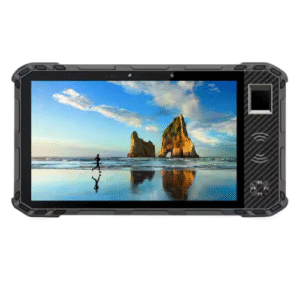
Satellite Connectivity
Reliable communication becomes critical when biological samples, clinical materials, and diagnostic specimens move through remote environments. Cellular networks or local infrastructure may not exist in offshore facilities, remote field laboratories, rural healthcare programs, disaster zones, or cross-border transport routes. Satellite communication technology provides a dependable solution that ensures continuous data exchange between monitoring hardware and centralized data systems regardless of terrestrial network limitations.
Satellite-enabled tracking devices support real time monitoring of specimen location, environmental conditions, and chain of custody information across geographically dispersed operations. Satellite communication modules integrated into tracking hardware transmit telemetry data directly to orbiting communication networks. The transmitted data reaches cloud platforms where laboratory administrators, logistics teams, and healthcare professionals can verify sample integrity, location status, and environmental parameters.
Organizations responsible for transporting sensitive diagnostic materials benefit from uninterrupted monitoring even during long-distance transit. Satellite-based communication solutions provide extended coverage for specimen tracking devices operating across oceans, deserts, mountain regions, or other infrastructure-limited environments.
Specimen Track supports organizations that require highly reliable remote specimen visibility. Through ongoing product development, research-driven engineering, and rigorous quality validation, Specimen Track has become a trusted provider of technology solutions that help organizations maintain operational control over specimen monitoring systems.
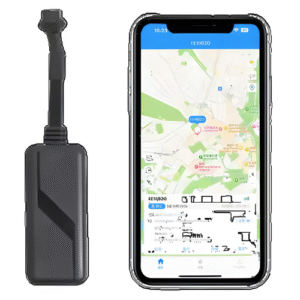
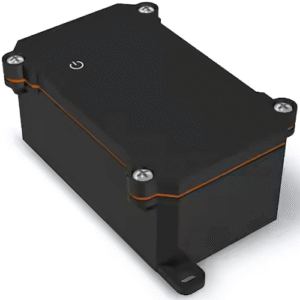
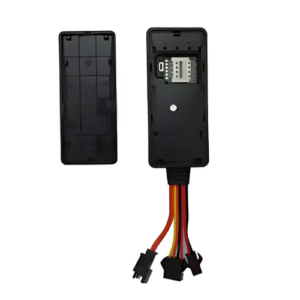
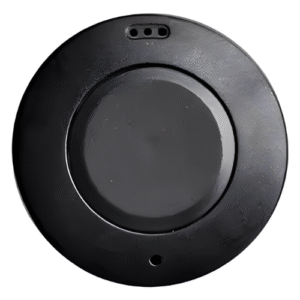
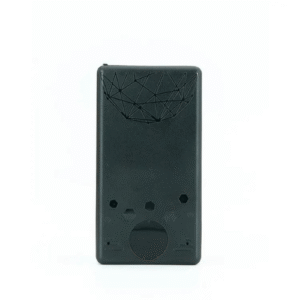
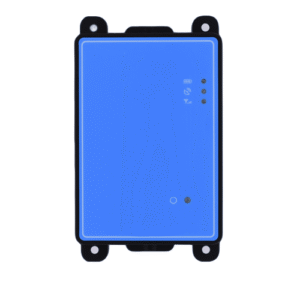
Satellite communication hardware plays a central role in enabling reliable monitoring and tracking systems for distributed laboratory networks and remote testing programs. Specimen Track designs hardware platforms that integrate satellite modules with sensors and tracking systems used to monitor diagnostic samples across challenging environments.
Key functional capabilities include:
- Global communication coverage for specimen monitoring devices operating outside traditional cellular network regions
- Real time location tracking of specimen containers, transport kits, and diagnostic equipment during remote logistics operations
- Environmental telemetry transmission such as temperature, humidity, shock events, and container opening detection
- Automated alert generation when environmental conditions exceed acceptable specimen handling thresholds
- Integration with GPS modules for high precision positioning data transmitted through satellite communication channels
- Low power communication protocols designed for long duration field deployments
- Secure data transmission from field hardware to central monitoring systems
- Remote device management capabilities including configuration updates and system diagnostics
- Redundant communication pathways for critical healthcare specimen monitoring operations
- Event triggered transmission for optimized battery consumption during extended deployments
These capabilities support healthcare organizations, field research teams, environmental testing groups, and laboratory networks responsible for transporting and monitoring sensitive samples in geographically dispersed operations.
Selecting monitoring instruments for environmental or specimen-related measurement applications requires careful evaluation of performance characteristics. Several technical parameters influence measurement accuracy, data reliability, and long term operational performance.
Important specifications to evaluate include:
- Measurement accuracy and calibration stability
- Sensor sensitivity across expected operating ranges
- Environmental operating temperature limits
- Data logging capacity and onboard storage capabilities
- Communication interface compatibility including satellite, cellular, or wireless modules
- Battery capacity and power management design
- Mechanical durability and ingress protection rating
- Sampling rate and measurement resolution
- Firmware upgrade capability and remote diagnostics
- Compliance with regulatory monitoring standards
Organizations deploying instruments in remote or mobile environments often prioritize rugged construction, extended battery life, and communication reliability.
GPS Tracking Systems for Remote Sample Transport
Global Positioning System technology plays a critical role in location awareness for remote specimen monitoring. GPS receivers integrated into monitoring hardware determine the precise geographic coordinates of specimen transport containers or monitoring devices.
Position data collected by GPS modules can be transmitted through satellite communication networks to centralized monitoring platforms. This combination enables continuous tracking even when shipments move through regions without cellular connectivity.
Healthcare organizations transporting diagnostic samples across long distances benefit from precise route visibility and delivery verification. GPS enabled monitoring devices also support geofencing capabilities, which trigger alerts if specimen containers deviate from approved transport corridors.
Integration of GPS with satellite communication modules ensures that location telemetry remains available throughout remote transport operations, including ocean shipments, rural field testing programs, and airborne medical logistics.
Starlink Satellite Communication for High Bandwidth Remote Monitoring
The satellite internet infrastructure developed by Starlink provides high speed, low latency communication capabilities through a network of low Earth orbit satellites. This architecture allows remote monitoring systems to transmit larger data volumes compared to traditional satellite telemetry networks.
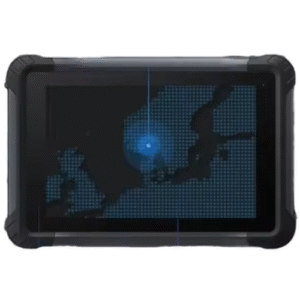
Specimen monitoring systems that utilize Starlink connectivity can support higher frequency data transmission, enabling near real time visibility into environmental conditions and specimen location status. Continuous connectivity supports live dashboards, automated alerts, and remote device diagnostics even in geographically isolated testing environments.
Starlink connectivity also benefits mobile laboratories, research vessels, and field testing teams operating in locations where terrestrial communication infrastructure does not exist. Higher bandwidth capacity enables integration with cloud monitoring platforms, centralized data systems, and remote technical support operations.
Organizations deploying remote diagnostic testing programs may use Starlink communication gateways to support fleets of monitoring devices transmitting operational telemetry from multiple locations.
Industrial Applications of Satellite Connectivity for Specimen Monitoring
Satellite communication technology enables organizations to maintain reliable monitoring systems across environments where terrestrial networks are unavailable.
Common applications include:
- Remote clinical research programs monitoring specimen transport between field collection sites and centralized diagnostic laboratories
- Offshore medical facilities transmitting specimen handling data from ships, drilling platforms, or marine research stations
- Global vaccine distribution programs monitoring cold chain conditions across rural and remote regions
- Cross-border diagnostic logistics requiring uninterrupted visibility during international specimen transport operations
- Environmental sampling programs collecting water, soil, and biological specimens in remote ecosystems
- Disaster response operations transporting diagnostic samples from field testing locations to regional laboratories
- Public health surveillance programs operating in rural healthcare systems with limited communication infrastructure
- Military medical logistics monitoring biological sample transport across operational theaters
- Remote mining or industrial facilities conducting health and environmental testing programs
- Polar or high altitude research stations transmitting monitoring data from isolated testing locations
USA and Canada Regulations, Standards, and Certifications
Applicable regulatory frameworks related to monitoring technology and specimen transport may include:
- FDA 21 CFR Part 11
• HIPAA
• CLIA
• ISO 15189
• ISO 17025
• Health Canada Medical Device Regulations
• FCC Communications Regulations
• ISED Canada Radio Standards Specifications
• NIST Calibration Standards
• Transport Canada Transportation of Dangerous Goods Regulations
• PHAC Biosafety Guidelines
| Capability Area | GPS Enabled Tracking | Starlink Satellite Connectivity | Traditional Satellite Telemetry |
| Global Coverage | Yes | Yes | Yes |
| Location Precision | High accuracy positioning | Dependent on integrated GPS module | Moderate |
| Data Transmission Bandwidth | Low to moderate | High bandwidth communication | Low bandwidth |
| Power Consumption | Low | Higher power requirement | Low to moderate |
| Data Transmission Frequency | Event based or periodic | Continuous high frequency transmission | Periodic telemetry |
| Suitable Deployment Environments | Mobile transport and logistics | Fixed or mobile field operations | Remote telemetry deployments |
| Integration Complexity | Moderate | Higher infrastructure requirements | Moderate |
This overview supports engineering teams and procurement specialists evaluating communication infrastructure for remote specimen monitoring systems.
Deployment of satellite communication hardware requires careful evaluation of environmental conditions, power availability, and mobility requirements.
Remote monitoring equipment used for specimen tracking often operates in environments that include transport vehicles, shipping containers, research stations, or field laboratories. These environments may experience vibration, temperature variation, humidity exposure, or physical impact during transport operations.
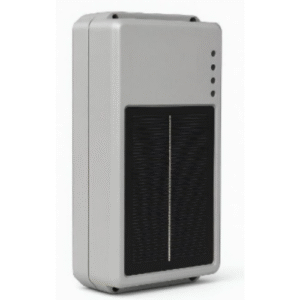
Power management becomes a critical factor when devices operate in remote environments for extended durations. Battery capacity, energy efficient communication protocols, and event triggered transmission methods influence operational lifetime. Solar charging systems or external power sources may also be used in stationary monitoring installations.
Mobility requirements vary significantly depending on deployment scenarios. Specimen monitoring devices used for logistics tracking must remain compact, lightweight, and rugged to tolerate transport conditions. Fixed installations used in remote laboratories may allow larger communication equipment and continuous connectivity systems.
Data handling architecture should support secure telemetry transmission, reliable storage, and integration with centralized monitoring platforms. Healthcare organizations often require encrypted data transmission and audit logging capabilities to meet regulatory and chain of custody requirements.
Engineering teams responsible for deployment typically conduct communication coverage assessments and environmental testing before large scale implementation.
Satellite communication provides several operational advantages for organizations managing distributed specimen transport operations.
- Continuous connectivity in remote environments without reliance on terrestrial network infrastructure
- Improved chain of custody visibility for diagnostic samples during long distance transportation
- Reliable telemetry transmission across oceans, remote land regions, and isolated research locations
- Integration with environmental sensors for monitoring temperature, humidity, and shock exposure
- Support for automated alerts when specimen handling conditions exceed acceptable limits
- Extended communication coverage for global research programs and multi region healthcare operations
- Enhanced logistics oversight for critical biological sample transport
- Redundant communication capability when cellular networks become unavailable
These capabilities improve the reliability of monitoring systems responsible for protecting sensitive biological materials.
How does satellite communication support specimen monitoring hardware?
Satellite communication modules transmit telemetry data from monitoring devices to orbiting communication satellites. The data is forwarded to ground stations and cloud monitoring platforms for analysis.
What types of data can satellite connected monitoring devices transmit?
Devices can transmit location coordinates, temperature readings, humidity levels, container opening events, shock detection, and device health diagnostics.
How is power consumption managed in satellite tracking devices?
Most devices use low power transmission intervals, event triggered reporting, and energy efficient communication protocols to extend battery life during field deployments.
Can satellite monitoring devices operate indoors?
Satellite signals typically require line of sight to the sky. Indoor deployments may require external antennas or hybrid communication configurations.
How secure is data transmitted through satellite communication networks?
Encryption protocols and secure communication frameworks protect telemetry data transmitted between monitoring devices and cloud infrastructure.
What environments commonly require satellite specimen monitoring systems?
Remote medical programs, research expeditions, offshore facilities, rural healthcare networks, and international specimen transport operations commonly rely on satellite connectivity.
Can satellite communication systems integrate with laboratory data platforms?
Yes. Monitoring hardware can transmit telemetry data to centralized data platforms, allowing laboratory administrators to monitor specimen status remotely.
Organizations planning remote specimen monitoring programs often require expert guidance when selecting communication infrastructure and compatible monitoring hardware. Specimen Track supports healthcare providers, laboratory networks, and logistics teams through technology expertise, product reliability, and dedicated technical support.
Businesses evaluating satellite communication systems for diagnostic sample monitoring can connect with our specialists for technical consultation, product selection guidance, and deployment planning. For detailed information or to discuss specific operational requirements, please contact to begin a conversation with our experts.
Showing 253–264 of 352 results
-
Product successfully added to the Quote List
-
Product successfully added to the Quote List
-
Product successfully added to the Quote List
-
Product successfully added to the Quote List
-
Product successfully added to the Quote List
-
Product successfully added to the Quote List
-
Product successfully added to the Quote List
-
Product successfully added to the Quote List
-
Product successfully added to the Quote List
-
Product successfully added to the Quote List
-
Product successfully added to the Quote List
-
Product successfully added to the Quote List