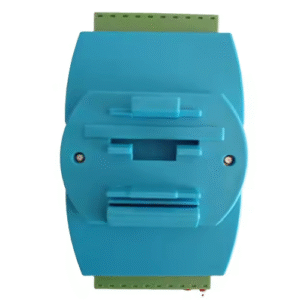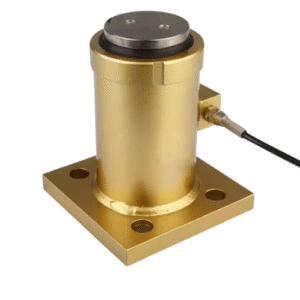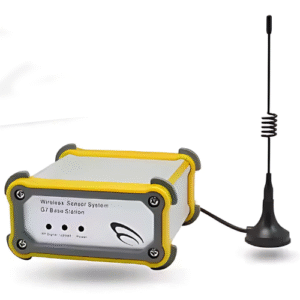
Specimen Tracking Sensors
Reliable specimen handling depends on continuous monitoring of environmental conditions, movement, and storage parameters from collection to analysis. Specimen tracking sensors provide the instrumentation layer required to capture these variables in real time. These sensors collect precise data about temperature stability, humidity exposure, motion, vibration, and chemical conditions surrounding diagnostic samples. Integration with wireless connectivity platforms enables automated alerts, digital audit trails, and operational visibility across laboratories, hospitals, transport networks, and research facilities.
Healthcare logistics rely on sensor-driven monitoring to protect specimen integrity during transport, temporary storage, and laboratory workflows. Sensor modules embedded within tracking devices, containers, and monitoring infrastructure support traceability requirements while helping technical teams identify potential deviations before they compromise testing results.
Specimen Track delivers specialized sensor technologies designed for healthcare sample monitoring environments. Our engineering teams focus on measurement reliability, long-term stability, and compatibility with digital tracking infrastructures. Organizations across North America depend on our solutions to maintain accurate monitoring, regulatory documentation, and operational visibility throughout complex specimen management processes.
Sensor technologies designed for healthcare specimen management environments perform several operational and monitoring functions that support data integrity and logistics reliability.
- Continuous measurement of environmental conditions affecting biological samples such as temperature, humidity, and exposure levels
- Detection of transport disturbances including vibration, shock, and motion events that may compromise specimen quality
- Real-time condition monitoring of laboratory storage units, mobile transport containers, and field collection kits
- Automated data logging for compliance documentation and chain-of-custody verification
- Environmental threshold alerts to notify technicians when storage conditions deviate from defined parameters
- Movement detection that identifies unauthorized handling or unexpected specimen displacement
- Optical verification technologies that support automated sample identification and inspection
- Chemical sensing capabilities used to detect contamination risks or hazardous material presence
- Integration with wireless monitoring infrastructure including RFID, BLE, IoT gateways, and cloud-based tracking systems
- Data synchronization with laboratory information systems and logistics management platforms
- Support for long-duration monitoring scenarios during multi-stage healthcare logistics operations
Although specimen monitoring sensors are specialized for healthcare environments, procurement teams often evaluate instrumentation using similar engineering criteria applied to environmental measurement devices.
Measurement Accuracy and Calibration Stability
Accurate sensing is critical when monitoring biological samples. Sensors should maintain calibration stability across long monitoring periods to prevent drift that could lead to incorrect environmental readings.
Operating Temperature Range
Healthcare specimen transport environments vary significantly. Sensors must operate reliably in refrigerated transport, cryogenic storage, ambient laboratory conditions, and outdoor field collection settings.
Sampling Frequency and Data Resolution
Sampling intervals determine how frequently environmental conditions are measured. Higher resolution improves the ability to detect short-term fluctuations that could affect specimen viability.
Power Consumption Characteristics
Battery-powered monitoring devices require low-power sensor designs to support long operational lifecycles. Energy efficiency directly influences maintenance cycles and deployment feasibility.
Environmental Protection Rating
Sensors used in transport containers or field environments must tolerate humidity, condensation, mechanical stress, and occasional contamination exposure.
Communication Interface Compatibility
Sensor outputs must integrate with digital monitoring systems. Common interfaces include I2C, SPI, analog voltage output, and wireless telemetry modules.
Response Time and Sensitivity
Fast response time ensures sensors detect rapid environmental changes during transport interruptions or refrigeration failures.
Temperature Sensors Supporting Specimen Stability Monitoring
Temperature monitoring plays a critical role in preserving diagnostic sample integrity. Specimen Track temperature sensors are designed to capture precise environmental conditions in refrigerated transport containers, cold chain storage units, laboratory freezers, and field collection equipment. These sensors measure ambient or contact temperatures with high resolution to detect deviations that could compromise biological samples such as blood, tissue, or microbiological cultures.
Healthcare transport workflows frequently involve multiple temperature transitions. Sensor modules must maintain accuracy across refrigeration ranges, frozen storage environments, and room temperature handling areas. Integrated temperature monitoring enables automated alerting when storage thresholds are exceeded. Continuous data logging also provides traceable documentation required by clinical laboratories, pharmaceutical research facilities, and regulatory compliance audits.
Humidity Sensors for Environmental Condition Monitoring
Humidity exposure can degrade biological samples, damage packaging materials, and alter laboratory reagent performance. Specimen Track humidity sensors measure relative humidity levels within transport containers, laboratory storage rooms, and sample preparation environments.
Advanced capacitive humidity sensing elements allow high sensitivity detection of moisture fluctuations. Continuous monitoring ensures controlled environments remain within defined humidity ranges necessary for diagnostic testing procedures. Facilities handling sensitive biological materials benefit from humidity sensors that provide digital output compatible with automated monitoring platforms.
Humidity data collected during specimen transport also contributes to environmental validation records required by clinical research organizations and laboratory accreditation programs.
Motion Sensors for Specimen Handling Detection
Motion sensors help identify when specimen containers are moved, handled, or repositioned during healthcare logistics operations. Specimen Track integrates motion sensing technologies that detect movement patterns associated with handling events during transportation and laboratory workflows.
These sensors provide useful insights into operational processes by logging when a specimen container is accessed, transferred between departments, or loaded onto transport vehicles. Motion monitoring also contributes to security measures by detecting unauthorized access to high-value or sensitive biological materials.
Operational data collected from motion sensors supports process improvement initiatives by identifying delays, inefficiencies, or unexpected movement patterns across specimen management networks.
Vibration Sensors for Transport Condition Monitoring
Vibration exposure during transportation can affect sensitive biological samples, particularly fragile specimens such as cultured cells or diagnostic reagents. Specimen Track vibration sensors measure oscillation levels experienced by specimen containers while in transit.
Continuous vibration monitoring enables technical teams to identify transport routes or logistics processes that may introduce excessive mechanical stress. These insights allow healthcare logistics teams to adjust packaging strategies or select improved transportation methods.
Vibration sensors also support incident investigations when specimen damage occurs. Historical vibration data provides evidence that helps determine whether transportation conditions contributed to compromised samples.
Acceleration Sensors for Shock Event Detection
Acceleration sensors measure sudden changes in velocity that indicate shock events such as drops, impacts, or abrupt handling during specimen transportation. Specimen Track integrates accelerometer technologies capable of detecting short-duration acceleration spikes that may not be visible through visual inspection alone.
Shock monitoring helps healthcare logistics teams maintain specimen integrity by identifying events that could affect test reliability. Acceleration sensors provide precise timestamps for shock incidents, allowing investigators to determine when and where handling anomalies occurred.
Continuous acceleration monitoring contributes to quality assurance processes and strengthens chain-of-custody documentation across healthcare logistics networks.
Optical and Imaging Sensors for Sample Identification
Optical and imaging sensors provide automated methods for identifying specimens, verifying container integrity, and supporting digital tracking systems. Specimen Track integrates optical sensing technologies that support barcode reading, label verification, and visual inspection of sample containers.
Imaging sensors capture high-resolution visual data that laboratory automation systems use for specimen identification and workflow management. Optical technologies can detect label misalignment, packaging damage, or contamination indicators during processing stages.
Integration with digital tracking platforms enables automated verification processes that reduce manual handling errors while improving specimen traceability across laboratories and healthcare transport networks.
Chemical Sensors for Contamination Monitoring
Chemical sensors detect specific gases, vapors, or chemical compounds that could indicate contamination risks within specimen transport containers or laboratory storage areas. Specimen Track chemical sensing modules support monitoring environments where hazardous materials, biological reagents, or volatile compounds may be present.
These sensors measure concentrations of target substances and provide alerts when abnormal chemical levels are detected. Continuous chemical monitoring protects personnel safety while preventing cross contamination between specimens.
Laboratories performing complex diagnostic procedures benefit from early detection of chemical exposure conditions that could affect sample stability or analytical accuracy.
Level Sensors for Storage and Transport Monitoring
Level sensors are used to monitor liquid volumes inside specimen containers, reagent reservoirs, and storage vessels. Specimen Track integrates level sensing technologies that detect fluid presence or quantity using capacitive, ultrasonic, or optical measurement principles.
These sensors help laboratory technicians verify that required specimen volumes remain available during analysis processes. Transport containers carrying liquid biological samples benefit from level monitoring that identifies leaks or evaporation conditions.
Level sensing technologies also support automated laboratory systems where reagent levels must be tracked to maintain uninterrupted diagnostic workflows.
Healthcare monitoring sensors support a wide range of operational environments involving biological sample handling and diagnostic testing workflows.
- Continuous temperature monitoring for blood sample transport between collection sites and centralized diagnostic laboratories
- Environmental monitoring of specimen storage conditions inside hospital pathology laboratories and clinical research facilities
- Motion detection used to track specimen container handling during courier transport and hospital logistics operations
- Shock monitoring for fragile diagnostic samples transported through air freight healthcare supply chains
- Cold chain condition monitoring for biological specimens shipped between pharmaceutical research organizations
- Environmental logging within mobile diagnostic laboratories deployed for infectious disease testing
- Monitoring reagent storage environments within clinical chemistry laboratories and biotechnology research centers
- Tracking specimen containers used in forensic evidence management systems
- Monitoring storage conditions within vaccine sample research programs
- Environmental condition logging for clinical trials involving biological specimen collection
- FDA 21 CFR Part 11
- FDA Good Laboratory Practice Regulations
- Clinical Laboratory Improvement Amendments (CLIA)
- CDC Biosafety Guidelines
- ISO 15189 Medical Laboratories Standard
- ISO 17025 Laboratory Testing and Calibration Standard
- Health Canada Medical Device Regulations
- CSA Medical Electrical Equipment Standards
- IATA Dangerous Goods Regulations
- WHO Guidelines for Transport of Infectious Substances
| Instrument Type | Primary Measurement Capability | Typical Deployment Environment | Data Output Method | Monitoring Duration |
| Temperature Sensors | Thermal stability measurement | Refrigerated storage and cold chain transport | Digital sensor output | Long duration monitoring |
| Humidity Sensors | Moisture level detection | Laboratory storage and transport containers | Digital or analog output | Continuous monitoring |
| Motion Sensors | Movement detection | Healthcare logistics and specimen handling | Digital event detection | Intermittent or continuous |
| Vibration Sensors | Oscillation and transport disturbance detection | Transport vehicles and shipping containers | Analog waveform output | Continuous monitoring |
| Acceleration Sensors | Shock event detection | Specimen shipping packages | Digital acceleration data | Event based monitoring |
| Optical Sensors | Sample identification and inspection | Laboratory automation systems | Image or optical data | On demand inspection |
| Chemical Sensors | Detection of gases or vapors | Laboratories and transport containers | Chemical concentration output | Continuous monitoring |
| Level Sensors | Liquid level measurement | Sample containers and reagent reservoirs | Analog or digital output | Continuous or periodic |
Healthcare environments present unique operational challenges for instrumentation deployment. Sensors used in specimen monitoring systems must operate reliably across laboratory facilities, mobile collection environments, and complex logistics networks.
Environmental conditions vary widely depending on specimen type. Blood samples often require controlled refrigeration during transport, while tissue samples may require frozen storage or cryogenic conditions. Sensor platforms must support these environments while maintaining measurement accuracy.
Mobility requirements influence sensor design. Many healthcare logistics operations depend on portable monitoring devices embedded within transport containers. Battery-powered sensors must balance power consumption with sampling frequency to ensure long monitoring lifecycles.
Data management strategies also vary. Some facilities require real-time wireless monitoring integrated with hospital information systems. Other environments rely on local data logging with later synchronization to laboratory databases.
Connectivity technologies may include Bluetooth Low Energy, RFID sensor tags, or gateway-based IoT architectures. Implementation strategies depend on infrastructure availability, security policies, and data retention requirements established by healthcare organizations.
Maintenance planning is another operational factor. Sensor calibration intervals must align with laboratory quality management programs to ensure long-term measurement reliability.
Specimen Track designs monitoring hardware specifically for healthcare specimen management environments. Our engineering teams prioritize measurement stability, data traceability, and compatibility with digital laboratory workflows.
- High precision sensing technologies designed for controlled biological sample environments
- Integrated support for wireless specimen monitoring platforms including RFID and IoT infrastructure
- Long duration monitoring capabilities suitable for extended transport logistics operations
- Robust sensor modules capable of operating across refrigerated, frozen, and ambient conditions
- Data logging architectures that support regulatory documentation and chain-of-custody verification
- Modular sensor integration that allows healthcare organizations to monitor multiple environmental variables simultaneously
- Hardware reliability supported by strict quality assurance and ongoing product validation
Organizations across North America rely on Specimen Track for dependable monitoring hardware that strengthens specimen integrity management across clinical laboratories, research facilities, and healthcare logistics networks.
What types of specimens require environmental monitoring sensors?
Blood samples, tissue biopsies, microbiological cultures, pharmaceutical samples, and forensic specimens often require continuous environmental monitoring during handling and transport.
How accurate are temperature sensors used in healthcare specimen monitoring?
Precision temperature sensors used in diagnostic logistics environments typically provide accuracy ranges between ±0.1°C and ±0.5°C depending on calibration and measurement range.
Can specimen tracking sensors operate during long transportation routes?
Yes. Many sensor systems are designed for extended monitoring periods using low-power electronics and optimized sampling intervals suitable for long-distance transport.
Do monitoring sensors integrate with laboratory information systems?
Many sensor platforms export environmental data through APIs or gateway integrations that allow synchronization with laboratory information management systems.
How do shock detection sensors protect specimen integrity?
Acceleration sensors detect sudden impacts or drops during transportation. Event logging allows technicians to identify handling incidents that could affect diagnostic results.
What communication technologies are commonly used with specimen monitoring sensors?
Bluetooth Low Energy, RFID sensor tags, cellular gateways, and Wi-Fi connectivity are commonly used depending on infrastructure and monitoring requirements.
How often should environmental monitoring sensors be calibrated?
Calibration intervals depend on laboratory quality management procedures. Many facilities perform annual calibration or verification according to ISO laboratory standards.
Healthcare organizations, laboratories, and system integrators evaluating specimen monitoring technologies often require detailed guidance on sensor integration, environmental monitoring strategies, and regulatory compliance requirements.
Specimen Track provides technical consultation, product selection guidance, and integration support for organizations deploying specimen monitoring systems across healthcare logistics networks. Our engineering specialists help customers determine the appropriate sensing technologies for their specific diagnostic workflows.
Teams interested in learning more about sensor technologies for healthcare specimen management can reach out through the Specimen Track contact page to discuss product availability, technical specifications, and deployment strategies with our specialists.
Showing 337–348 of 356 results
-
Product successfully added to the Quote List
-
Product successfully added to the Quote List
-
Product successfully added to the Quote List
-
Product successfully added to the Quote List
-
Product successfully added to the Quote List
-
Product successfully added to the Quote List
-
Product successfully added to the Quote List
-
Product successfully added to the Quote List
-
Product successfully added to the Quote List
-
Product successfully added to the Quote List
-
Product successfully added to the Quote List
-
Product successfully added to the Quote List